Preventive Maintenance Tips That Can Help Extend Your Vehicle’s Life in Maryland
Table of Contents
- Car Maintenance Tips to Extend Vehicle Life in Maryland
- Why Preventive Maintenance Matters for Maryland Drivers
- Essential Car Maintenance Tips for a Longer Vehicle Life
- 1. Prioritize Regular Oil Changes
- 2. Don't Overlook Tire Maintenance
- 3. Keep an Eye on All Fluid Levels
- 4. Test Your Brakes Regularly
- 5. Replace Filters as Needed
- 6. Inspect Your Battery
- 7. Don't Skip Scheduled Inspections and Tune-ups
- 8. Pay Attention to Dashboard Warning Lights Early
- 9. Inspect Belts, Hoses, and the Cooling System
- 10. Wash the Undercarriage and Prevent Rust After Winter
- Understanding Your Car's Dashboard Warning Lights
- Choosing the Right Maintenance Partner in Maryland
- Frequently Asked Questions About Car Maintenance
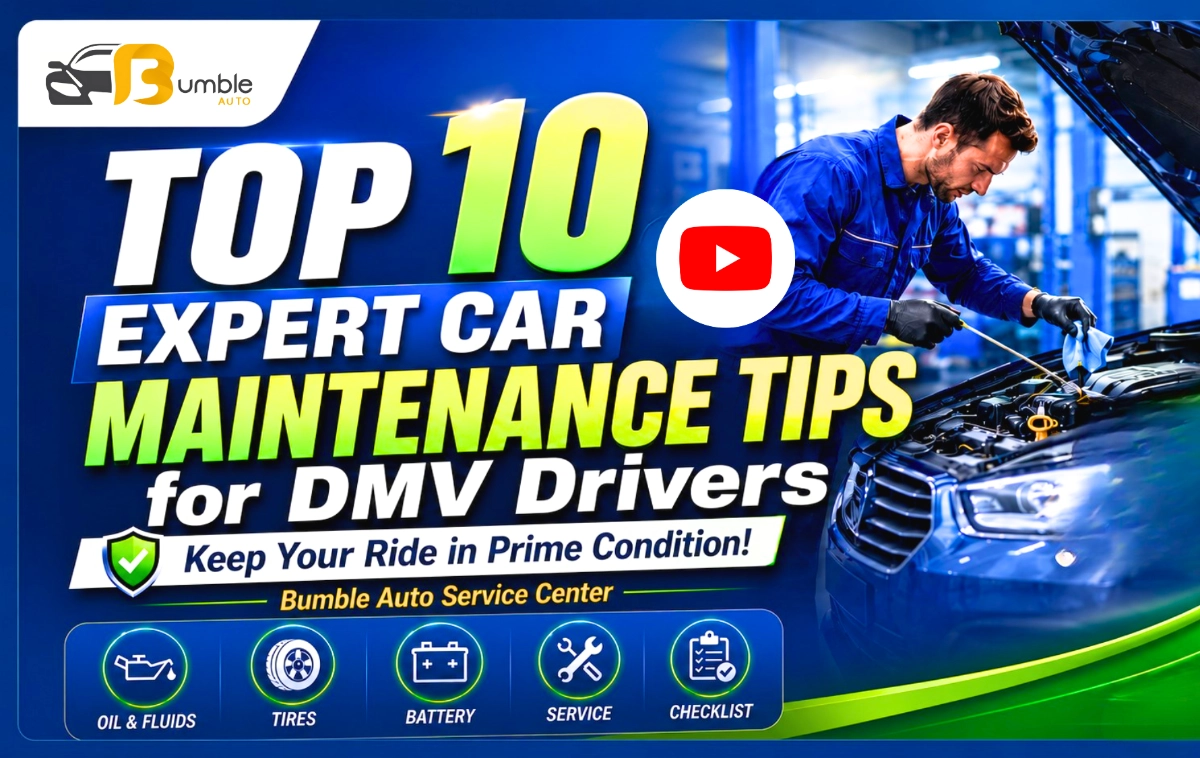
Regular preventive maintenance is key to a long-lasting vehicle.
By following a consistent schedule for oil changes, tire rotations, fluid checks, and timely inspections, Maryland drivers can significantly extend their car's lifespan, improve fuel efficiency, and reduce the likelihood of costly repairs. Bumble Auto offers comprehensive services to help keep your vehicle in top condition.
Your vehicle is a significant investment, and like any investment, it requires proper care to maintain its value and functionality. Preventive maintenance is not just about fixing problems as they arise; it's about proactively addressing potential issues before they become major headaches. For drivers in Elkridge, Ellicott City, Columbia, and across Maryland, understanding and implementing a routine maintenance schedule is essential for extending your car's life, ensuring safety, and maximizing your vehicle's performance. Bumble Auto is here to guide you through the most crucial steps to keep your car running smoothly for years to come.
Car Maintenance Tips to Extend Vehicle Life in Maryland
Why Preventive Maintenance Matters for Maryland Drivers
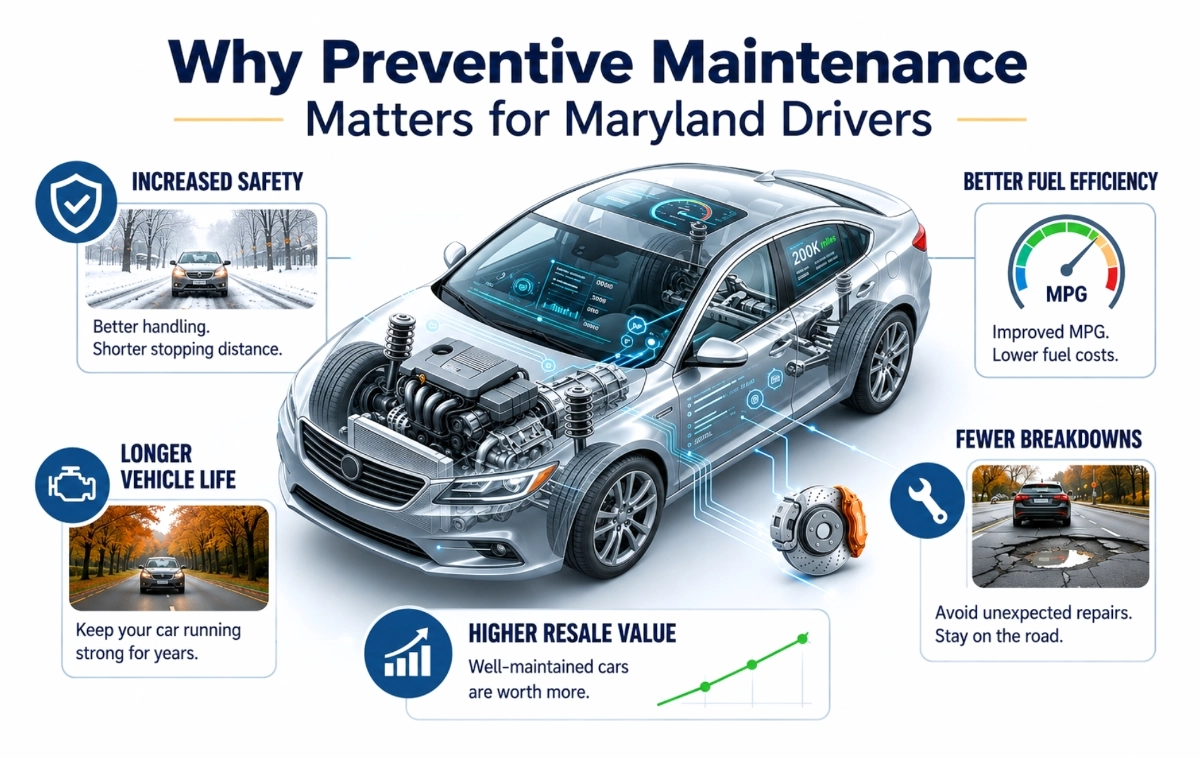
The roads and weather conditions in Maryland can be tough on vehicles. From the stop-and-go traffic in Baltimore to the winding country roads of Howard County, your car undergoes significant wear and tear. Regular maintenance helps mitigate these effects, protecting critical components from premature failure and keeping you safe on the road.
- Improved Safety: Well-maintained brakes, tires, and steering components are vital for safe driving, especially in adverse weather conditions.
- Increased Longevity: Consistent care prevents small issues from escalating into major, costly repairs, ultimately extending your vehicle's lifespan.
- Enhanced Fuel Efficiency: Properly inflated tires, clean air filters, and correct fluid levels contribute to better gas mileage, saving you money at the pump.
- Greater Reliability: Regular checks reduce the chances of unexpected breakdowns, giving you peace of mind during your daily commute or road trips.
- Higher Resale Value: A well-documented maintenance history can significantly increase your car's resale value.
Essential Car Maintenance Tips for a Longer Vehicle Life
.webp)
Extending your car's life doesn't require advanced mechanical skills. Many preventive measures are straightforward and can be easily incorporated into your routine. Here are the fundamental car maintenance tips every Maryland driver should know.
1. Prioritize Regular Oil Changes
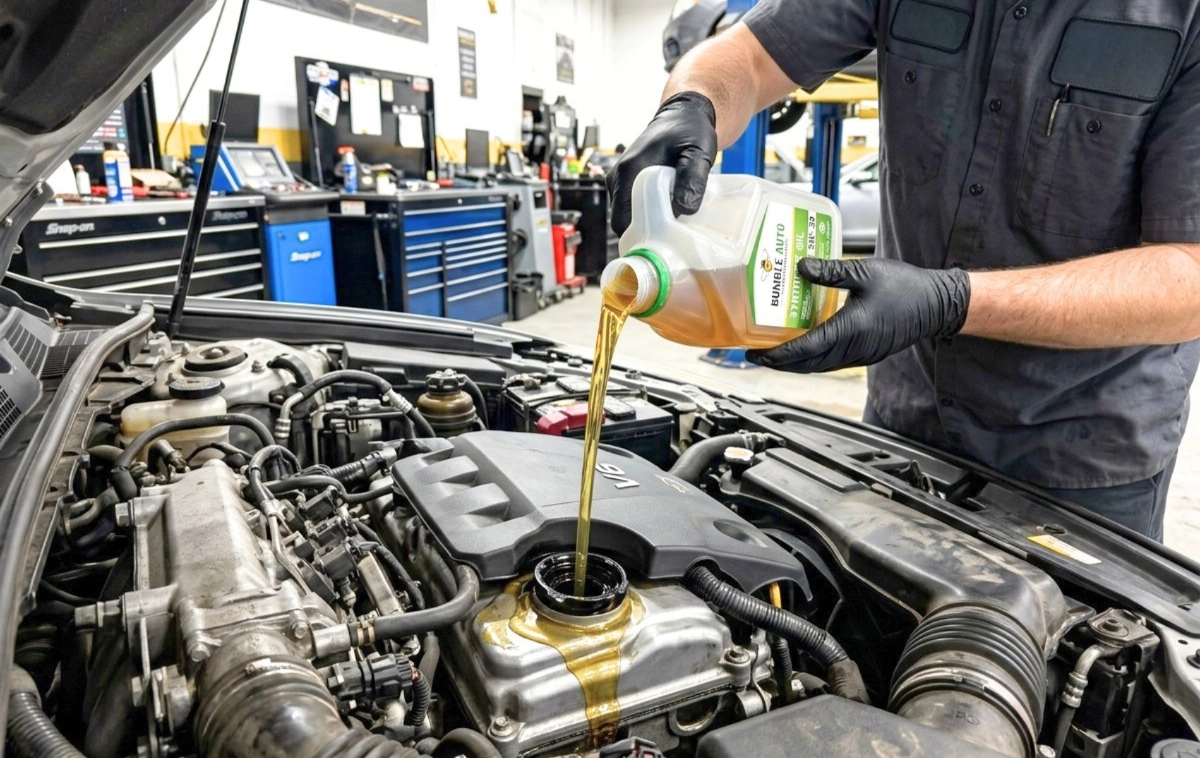
Engine oil is your vehicle's lifeblood, lubricating moving parts and preventing friction and heat buildup. Over time, oil breaks down and collects contaminants, losing its effectiveness. Regular oil changes are perhaps the most critical maintenance task you can perform.
- Check your owner's manual for recommended oil change intervals, typically every 5,000 to 7,500 miles, or every 6 months, depending on your vehicle and driving conditions.
- Consider synthetic oil for better protection and longer intervals, especially if you drive in extreme Maryland temperatures or heavy traffic.
- Always use the correct type and weight of oil specified by your manufacturer.
2. Don't Overlook Tire Maintenance
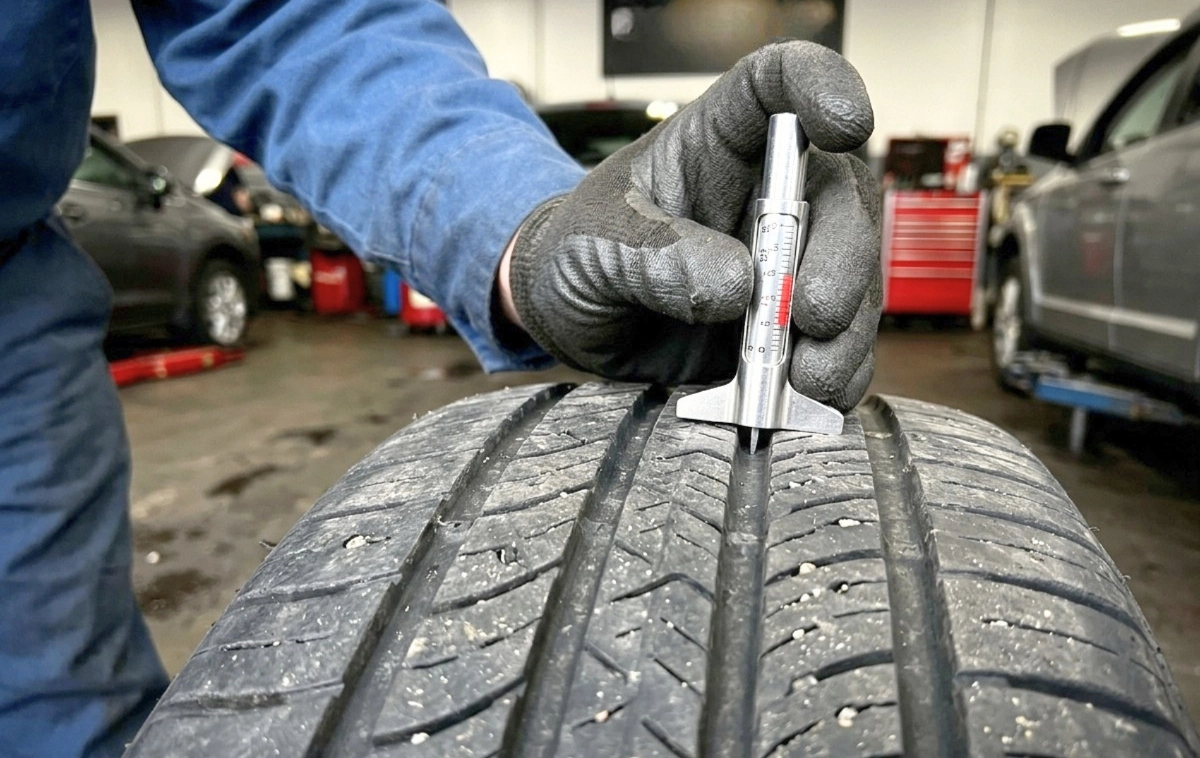
Your tires are the only point of contact between your vehicle and the road. Proper tire care ensures optimal handling, braking, and fuel efficiency, while also preventing premature wear. This is especially important for navigating diverse Maryland roads, from city streets to highways.
- Check tire pressure monthly: Refer to your car's door jamb sticker for the recommended PSI, not the maximum pressure listed on the tire itself.
- Rotate tires regularly: Typically every 5,000 to 7,500 miles, tire rotations ensure even wear and extend tire lifespan.
- Monitor tread depth: Use the penny test (insert a penny head-first into a tread groove; if you can see Lincoln's head, your treads are too shallow) or consult a professional.
- Inspect for wear and damage: Look for bulges, cracks, punctures, or uneven wear patterns that could indicate alignment issues or damage.
3. Keep an Eye on All Fluid Levels
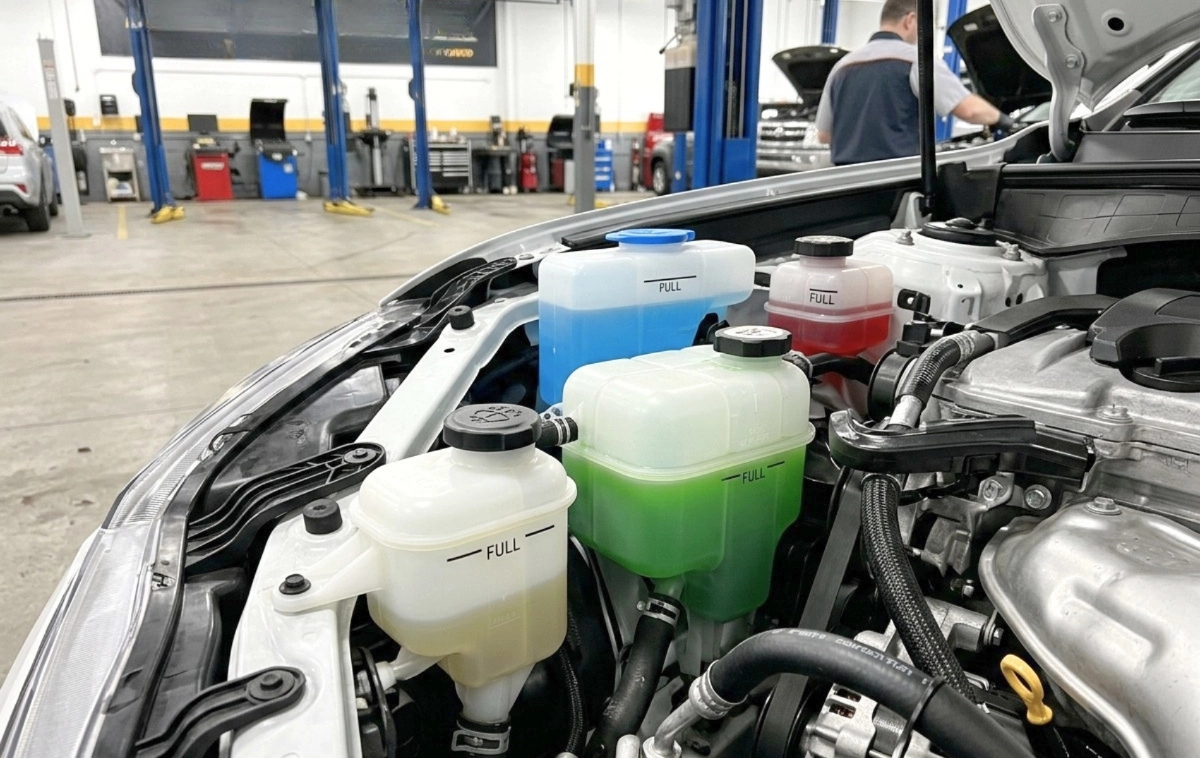
Beyond engine oil, your car relies on several other fluids to operate correctly. Checking these regularly can prevent significant system failures and costly repairs. These checks are simple and can be done during routine gas fill-ups or at home.
- Brake Fluid: Essential for your braking system. Low levels can indicate a leak or worn brake pads.
- Coolant (Antifreeze): Prevents your engine from overheating and freezing. Check levels when the engine is cool.
- Power Steering Fluid: Ensures smooth steering. Low levels can lead to stiff steering.
- Transmission Fluid: Lubricates transmission components. Check according to your owner's manual, often with the engine running and warm.
- Windshield Wiper Fluid: While not critical to engine function, it's vital for visibility, especially during Maryland's varied weather.
4. Test Your Brakes Regularly
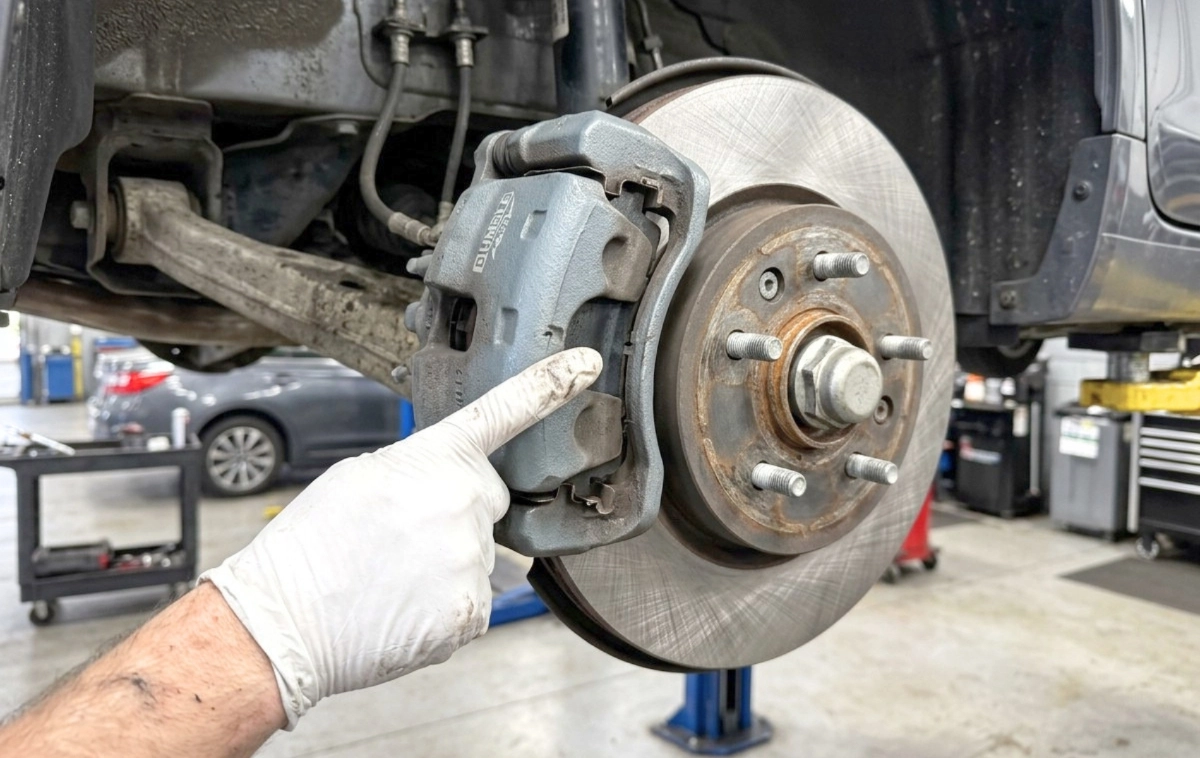
Your braking system is paramount for safety, especially when seasonal brake issues can develop due to changing temperatures, moisture, road salt, and driving conditions. Don't wait until you hear grinding noises or feel vibrations to get them checked. Proactive brake maintenance ensures reliable stopping power year-round.
- Listen for squealing or grinding: These sounds often indicate worn brake pads.
- Pay attention to dashboard warning lights: A brake warning light is a clear signal to get your brakes inspected immediately.
- Feel for vibrations or pulsing: This could mean warped rotors or other issues.
For comprehensive Brake Repair, it's advisable to have your brakes inspected annually or every 12,000 miles by a qualified
5. Replace Filters as Needed
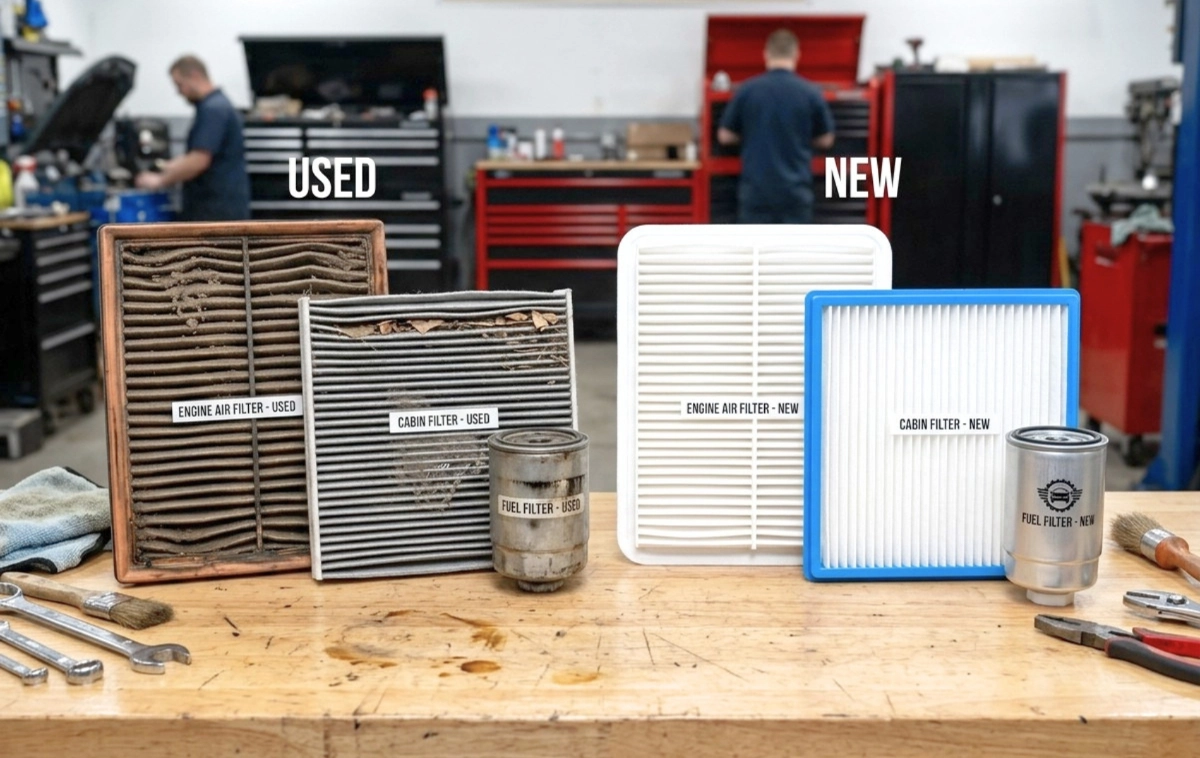
Various filters in your car protect critical systems from contaminants. Neglecting these can impact performance, fuel economy, and even your health. Regular replacement is a simple yet effective maintenance step.
- Engine Air Filter: Prevents dirt and debris from entering your engine. Replace every 15,000-30,000 miles or more frequently if you drive in dusty conditions.
- Cabin Air Filter: Filters pollen, dust, and pollutants from the air you breathe inside your car. Replace annually or every 15,000 miles for optimal air quality.
- Fuel Filter: Protects your engine from contaminants in the fuel. Replacement intervals vary widely but are often recommended every 30,000-60,000 miles.
6. Inspect Your Battery
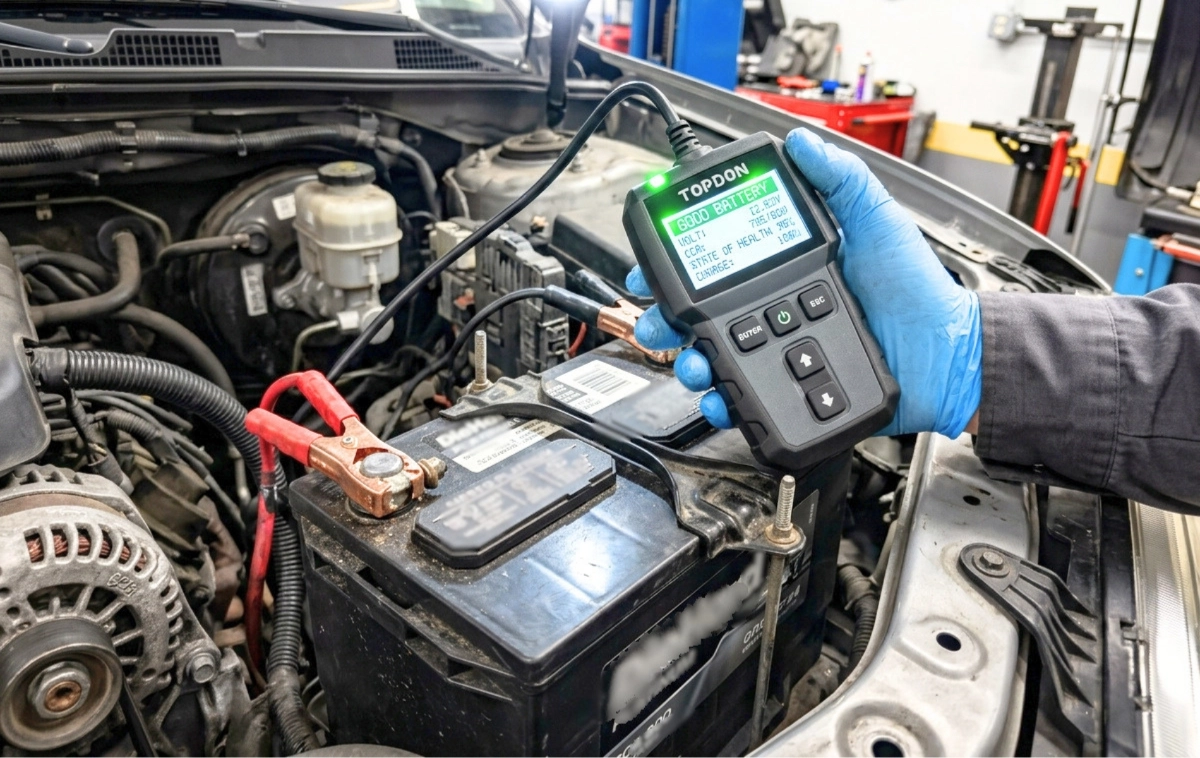
A dead battery is a common and inconvenient issue, especially during Maryland's cold winters or hot summers, so consulting a comprehensive car battery guide can help you avoid being stranded.
- Check for corrosion: Clean any white or blue powdery buildup around the terminals.
- Test battery voltage: A professional can perform a load test to determine your battery's health.
- Secure battery terminals: Ensure connections are tight and clean.
7. Don't Skip Scheduled Inspections and Tune-ups
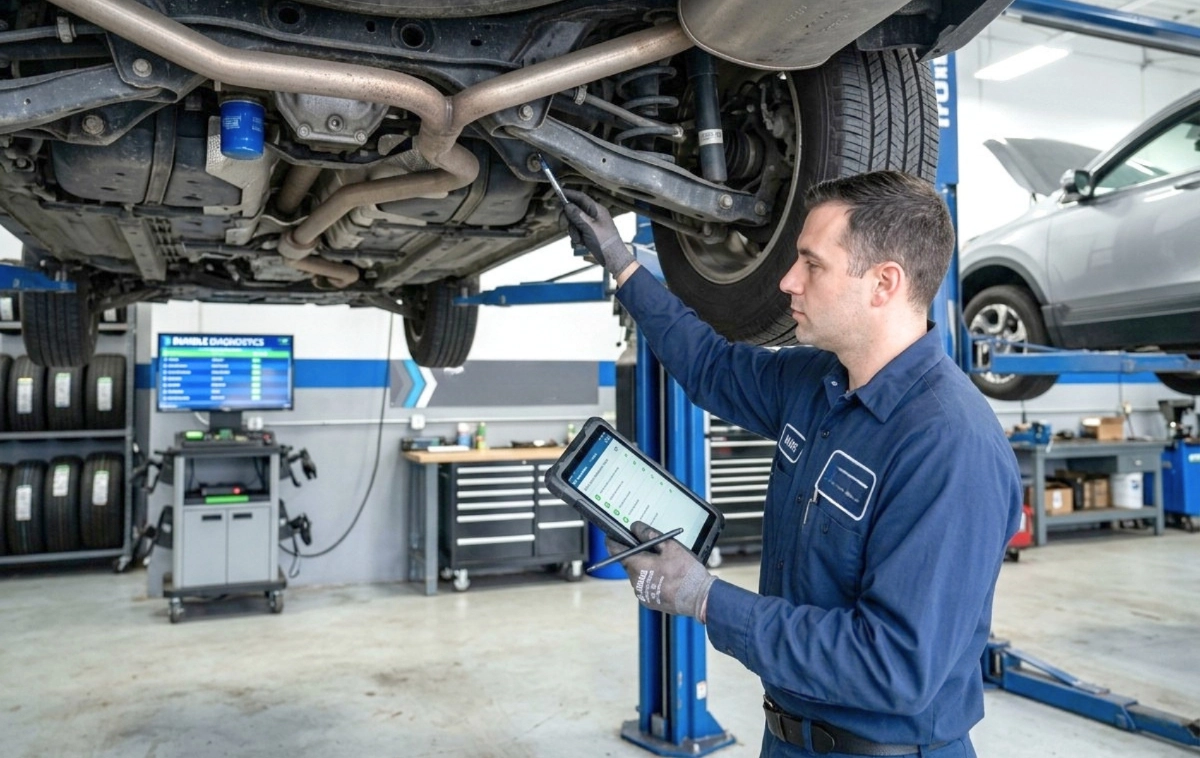
Beyond individual checks, regular comprehensive inspections and tune-ups by certified technicians are invaluable. They can identify subtle issues you might miss and ensure your car adheres to state requirements, such as the crucial Maryland State Safety Inspection.
- Multi-point inspections: Many service centers offer free or low-cost multi-point inspections that cover essential systems.
- Manufacturer's recommended service intervals: Follow your owner's manual for major service milestones like spark plug replacement, timing belt changes, and transmission service.
- Maryland State Safety Inspection: Essential for vehicle registration and ensuring your car meets safety standards.
8. Pay Attention to Dashboard Warning Lights Early
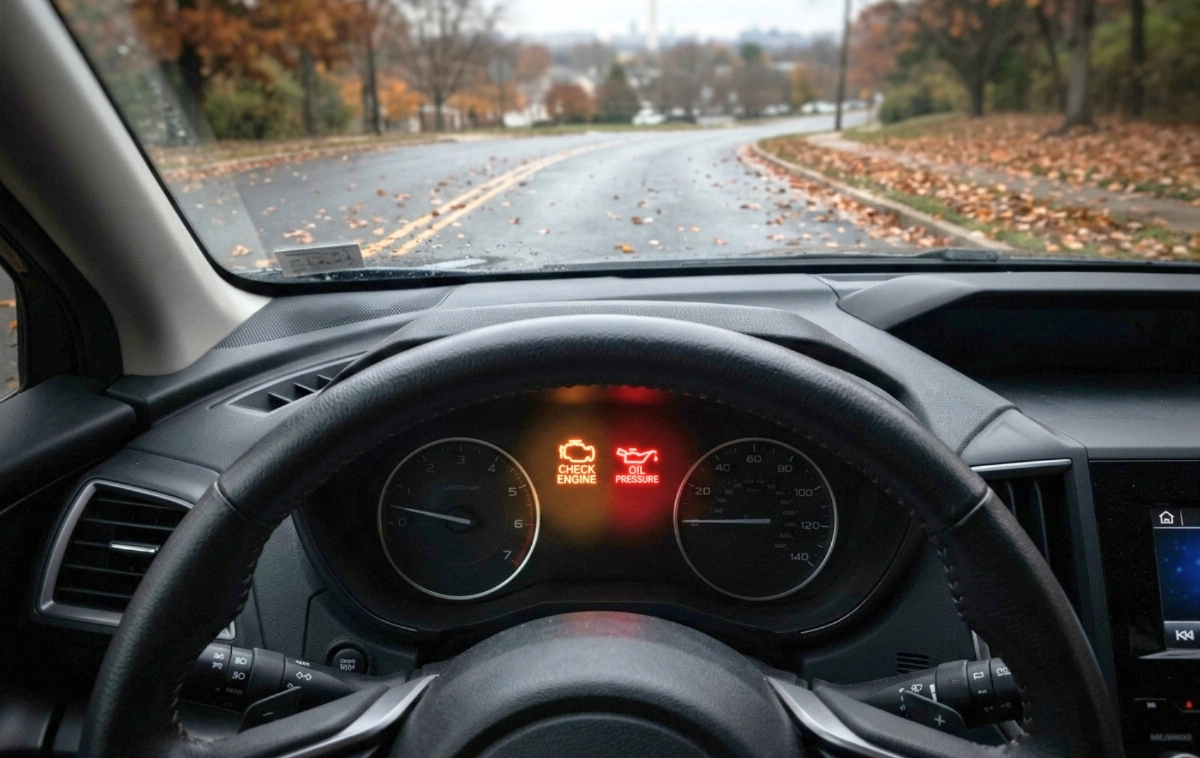
Dashboard warning lights are your vehicle’s way of telling you that something needs attention before it becomes a serious repair. Many Maryland drivers make the mistake of ignoring a check engine light, oil pressure warning, battery light, TPMS alert, or brake warning because the car still “feels fine.” However, small issues can quickly become expensive if they are not diagnosed early.
For drivers in Elkridge, Ellicott City, Columbia, Baltimore, and the greater DMV area, this is especially important because daily commuting, traffic congestion, and seasonal temperature changes can put added stress on your vehicle’s systems.
- Check Engine Light: Have it diagnosed promptly to avoid engine or emissions-related damage.
- Oil Pressure Warning: Stop driving as soon as it is safe and check oil levels immediately.
- Battery Warning: This may indicate a failing battery, alternator, or charging system issue.
- Brake Warning Light: Schedule an inspection before brake performance becomes unsafe.
- TPMS Light: Check tire pressure right away, especially during temperature swings.
A quick diagnostic check can often prevent a small sensor, fluid, or pressure issue from turning into a major repair.
9. Inspect Belts, Hoses, and the Cooling System
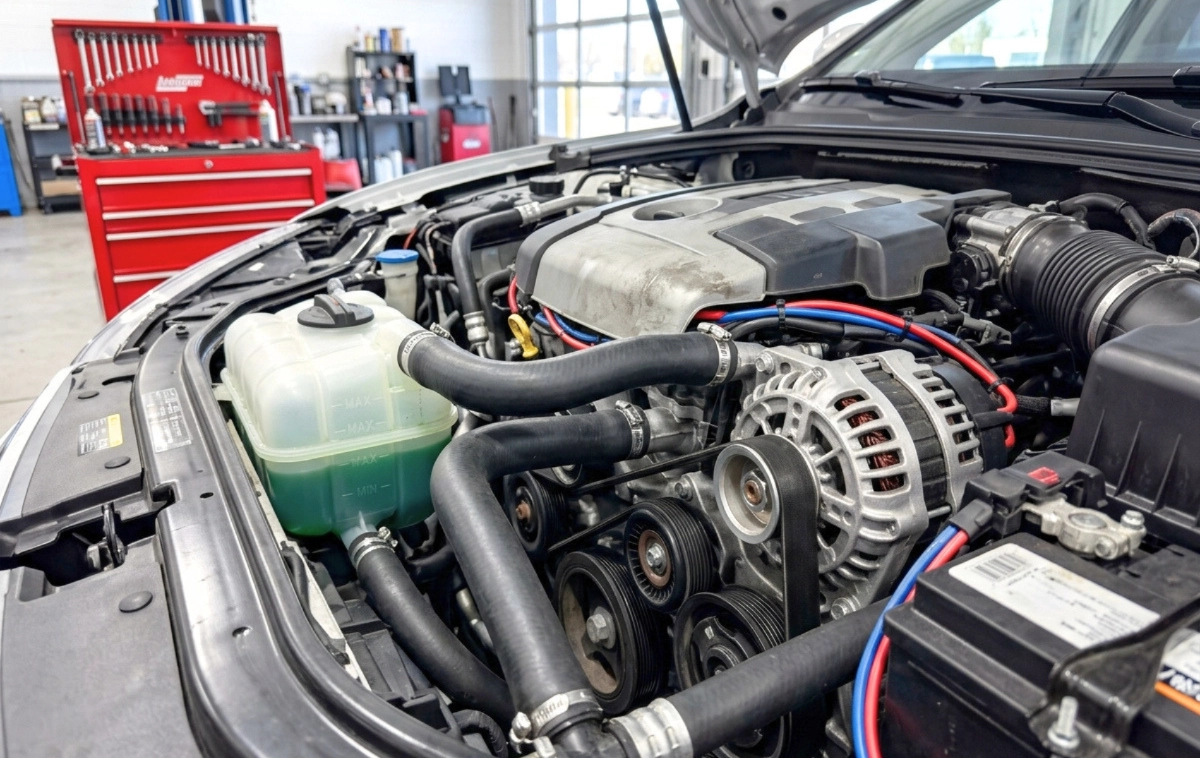
Your engine depends on belts, hoses, coolant, and proper circulation to stay within a safe operating temperature. Over time, rubber components can crack, soften, leak, or lose tension, especially after exposure to Maryland’s hot summers and freezing winter temperatures.
Cooling system maintenance is particularly important for vehicles driven in stop-and-go traffic around Baltimore, Columbia, and Washington, D.C., where engines often sit idling for long periods. If your cooling system is weak, that extra heat can lead to overheating, coolant leaks, water pump problems, or even engine damage.
- Look for coolant leaks: Check under the vehicle for green, orange, pink, or yellow fluid.
- Inspect hoses: Watch for cracks, swelling, soft spots, or loose connections.
- Check belts: Listen for squealing noises and look for fraying or visible wear.
- Monitor temperature: If the gauge rises above normal, schedule service quickly.
- Flush coolant as recommended: Old coolant loses effectiveness over time.
10. Wash the Undercarriage and Prevent Rust After Winter
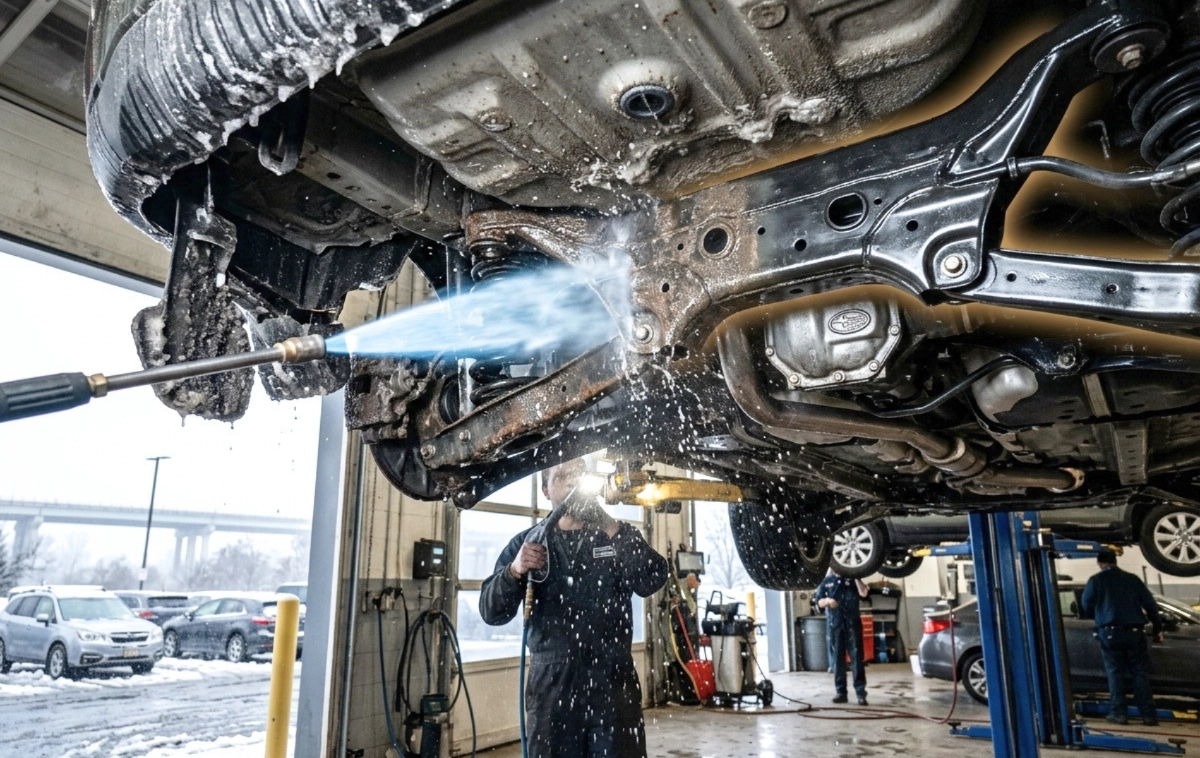
Maryland winters can leave salt, sand, moisture, and road debris underneath your vehicle. Even if your car looks clean from the outside, the undercarriage may still carry corrosive residue that can damage brake lines, suspension components, exhaust parts, and frame areas over time.
For drivers in Ellicott City, Elkridge, Columbia, Baltimore, and surrounding DMV communities, rust prevention should be part of every long-term vehicle care plan—especially if you want to extend your car’s life and protect resale value.
- Wash the undercarriage after winter: Remove road salt and grime from hard-to-see areas.
- Inspect for early rust: Look around wheel wells, rocker panels, exhaust parts, and suspension areas.
- Clean drainage areas: Make sure water is not collecting around doors, trunk edges, or sunroof drains.
- Address paint chips: Small exposed areas can turn into rust spots if ignored.
- Schedule a professional inspection: A technician can identify corrosion risks before they become serious.
| Maintenance Task | Recommended Interval | Why It Matters |
|---|---|---|
| Oil & Filter Change | 5,000 - 7,500 miles / 6 months | Protects engine from friction and heat, maintains performance. |
| Tire Rotation | 5,000 - 7,500 miles | Ensures even tire wear, extends tire life, improves handling. |
| Tire Pressure Check | Monthly | Optimizes fuel economy, safety, and tire longevity. |
| Fluid Level Check (all) | Monthly / Every oil change | Prevents system failures (brakes, cooling, steering, transmission). |
| Brake Inspection | Annually / 12,000 miles | Ensures reliable stopping power and passenger safety. |
| Engine Air Filter Check/Replace | 15,000 - 30,000 miles | Improves engine performance and fuel efficiency. |
| Battery Check | Annually | Prevents unexpected breakdowns, especially in extreme weather. |
| Maryland State Safety Inspection | As required for registration/sale | Ensures vehicle meets state safety standards for operation. |
Note: These intervals are general guidelines. Always consult your vehicle's owner's manual for specific manufacturer recommendations, and factor in your personal driving habits and local Maryland conditions.
Understanding Your Car's Dashboard Warning Lights
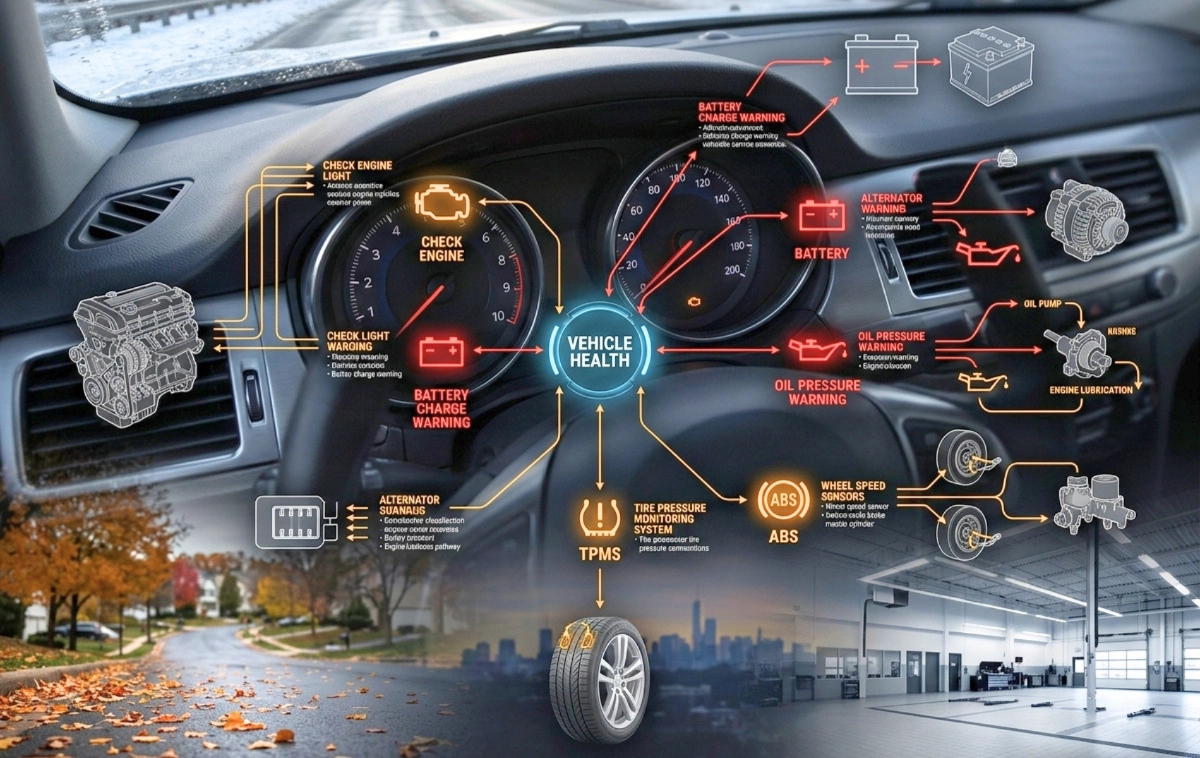
Your vehicle's dashboard is a crucial communication tool. Warning lights are designed to alert you to potential issues that require attention. Ignoring them can lead to serious damage or safety hazards.
- Check Engine Light: Indicates a problem with the engine or emissions system. Get it diagnosed promptly.
- Oil Pressure Warning: Signals low oil pressure, which can cause severe engine damage.
- Battery Warning: Suggests an issue with the charging system or battery.
- Brake System Warning: May indicate low brake fluid, a parking brake engaged, or a fault in the braking system.
- Tire Pressure Monitoring System (TPMS) Light: Means one or more tires are significantly underinflated.
If any of these lights illuminate, it’s best to have a professional diagnose the issue quickly, which can help you decide if it's worth fixing a used car or trading it in.
Impact of Regular Maintenance on Vehicle Aspects
Understanding how consistent maintenance positively influences key aspects of your vehicle's performance and longevity.
Note: These are illustrative estimates of the positive impact of consistent preventive maintenance compared to neglecting vehicle care. Actual results may vary based on vehicle type, driving conditions, and service quality.
Choosing the Right Maintenance Partner in Maryland
Finding a trustworthy and experienced service center is crucial for effective preventive maintenance. You need a team that understands your vehicle and the specific demands of driving in areas like Elkridge, Ellicott City, and Baltimore.
- Certified Technicians: Ensure the technicians are certified (e.g., ASE certified) and have experience with your vehicle's make and model.
- Transparency and Trust: Look for a service center that provides clear explanations of services, fair pricing, and honest recommendations.
- Convenience: Consider location and scheduling flexibility. Bumble Auto in Elkridge, MD, offers accessible and reliable auto repair and service.
- Comprehensive Services: Choose a facility that can handle everything from routine oil changes to more complex diagnostics and repairs.
Frequently Asked Questions About Car Maintenance
How often should I get an oil change?
What is the Maryland State Safety Inspection?
Can I perform some maintenance tasks myself?
How do Maryland's seasons affect my car's maintenance needs?
Keep Your Car Running Strong with Bumble Auto
Don't wait for a problem to arise. Proactive maintenance is the best way to ensure your vehicle's longevity and your peace of mind. Schedule your next service appointment with our expert team today.
Schedule Auto ServiceServing Elkridge, Ellicott City, Columbia, Baltimore & the greater DMV area
By adhering to these car maintenance tips and partnering with a trusted service center like Bumble Auto, you're not just performing routine tasks—you're making a conscious choice to protect your investment, ensure your safety, and enjoy many more miles on Maryland roads. Regular care truly pays off, both in the short term with improved performance and in the long run with a significantly extended vehicle life.
Author: Bumble Auto Content Team
Reviewer: Bumble Auto Editorial Team
Date Updated: Aug 2026
Review Note: This article is for general informational purposes only and should not replace direct confirmation from the dealership regarding current inventory, pricing, financing, or service availability.
Content Disclaimer: This article is for general informational purposes only and should not replace direct confirmation from the dealership regarding current inventory, pricing, financing, or service availability.
Financing Disclaimer: Financing options are subject to credit approval, lender terms, vehicle eligibility, and other applicable conditions. Not all applicants will qualify for the same terms.
Inventory Disclaimer: Vehicle availability, pricing, mileage, features, and financing options may change. Please contact Bumble Auto or check the current vehicle listing for the most up-to-date information.