Maryland Inspection Checklist for 2026: Your Guide to Passing in the DMV
Table of Contents
- Understanding the Maryland State Safety Inspection (MSSI)
- Why is the Maryland Inspection Required?
- Maryland Inspection Checklist for 2026: Key Areas of Focus
- Brakes: Stopping Power is Paramount
- Steering and Suspension: Control and Stability
- Wheels and Tires: Your Connection to the Road
- Lights and Electrical: Visibility and Communication
- Exhaust System: Emissions and Noise Control
- Fuel System: Safety Against Leaks
- Body, Chassis, and Frame: Structural Integrity
- Safety Devices: Seatbelts and Airbags
- Preparing Your Vehicle for a Maryland Inspection
- Professional Pre-Inspection at Bumble Auto
- Common Reasons for Maryland Inspection Failure
- What Happens if Your Vehicle Fails the Inspection?
- Correction and Re-inspection Process
- Choosing a Certified Maryland Inspection Station in the DMV
- Why Choose Bumble Auto for Your Maryland Inspection?
- Frequently Asked Questions About Maryland Inspections
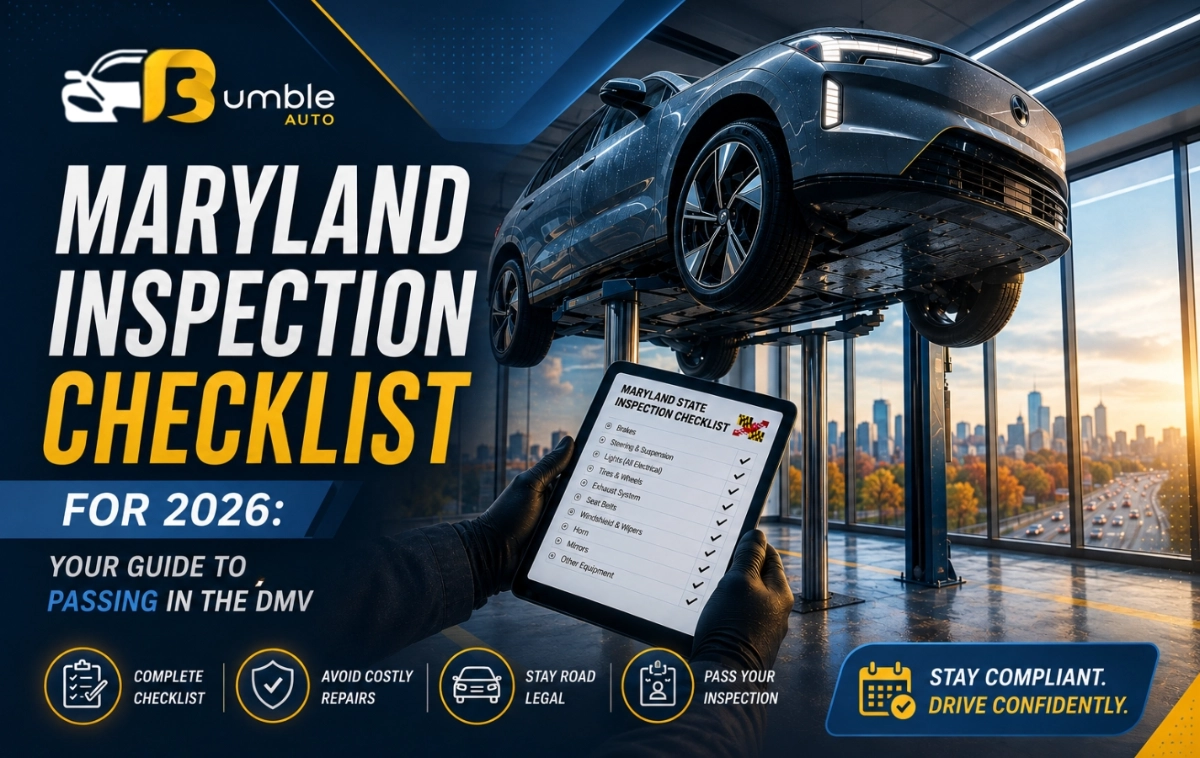
Maryland State Safety Inspection for 2026
The Maryland State Safety Inspection for 2026 covers key vehicle systems including brakes, steering, suspension, wheels and tires, lights, exhaust, fuel system, and body. The goal is to ensure vehicles meet minimum safety standards before they are sold or transferred. Drivers in Maryland, especially around Elkridge, Ellicott City, Columbia, and Baltimore, can prepare by performing basic checks of lights, tires, and fluid levels, and addressing any known issues proactively. Certified inspection stations like Bumble Auto provide official inspections.
The Maryland State Safety Inspection (MSSI) is a vital process designed to ensure that vehicles operated on the state's roads meet specific safety and emissions standards. As we look towards 2026, understanding the detailed checklist and potential updates is key for any Maryland driver, whether you're buying a used car and considering the questions to ask before buying a used car, selling your current one, or moving to the state. This comprehensive guide will walk you through what to expect, how to prepare, and what to do if your vehicle requires repairs.
Understanding the Maryland State Safety Inspection (MSSI)
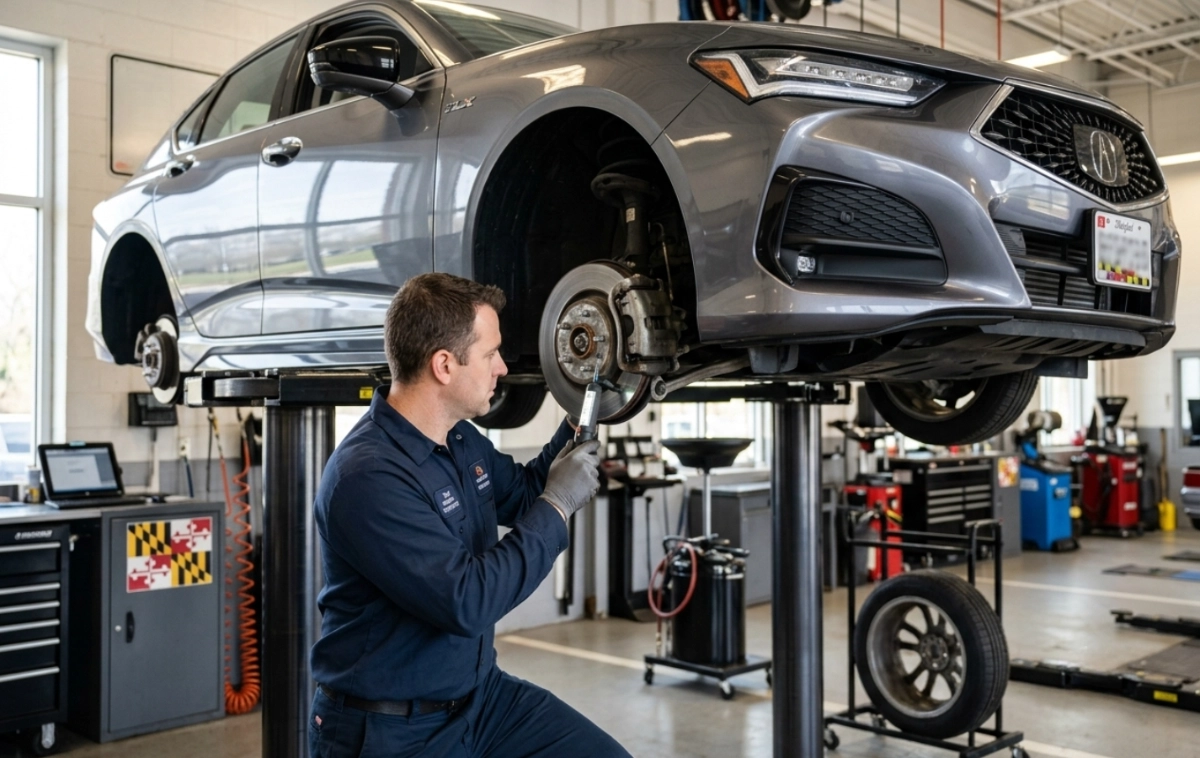
The MSSI is more than just a formality; it's a critical safety measure. Administered by the Maryland Motor Vehicle Administration (MVA) and performed by licensed inspection stations, its purpose is to reduce accidents caused by mechanical failures and to ensure environmental compliance. Vehicles must pass this inspection before they can be sold, transferred, or registered in Maryland if they were previously registered in another state.
Why is the Maryland Inspection Required?
- Ensure vehicle safety for drivers and passengers
- Reduce the risk of accidents due to mechanical defects
- Maintain environmental standards through emissions checks (where applicable)
- Verify vehicle roadworthiness for all transactions (sale, transfer, out-of-state registration)
Without a valid inspection certificate, you cannot complete these essential vehicle processes in Maryland. This makes choosing a reputable and certified inspection station crucial for a smooth experience.
Maryland Inspection Checklist for 2026: Key Areas of Focus
The Maryland State Safety Inspection is thorough, covering almost every major system of your vehicle. While specific regulations can see minor adjustments, the core components of the inspection remain consistent year after year. For 2026, drivers can anticipate continued scrutiny on critical safety systems.
Brakes: Stopping Power is Paramount
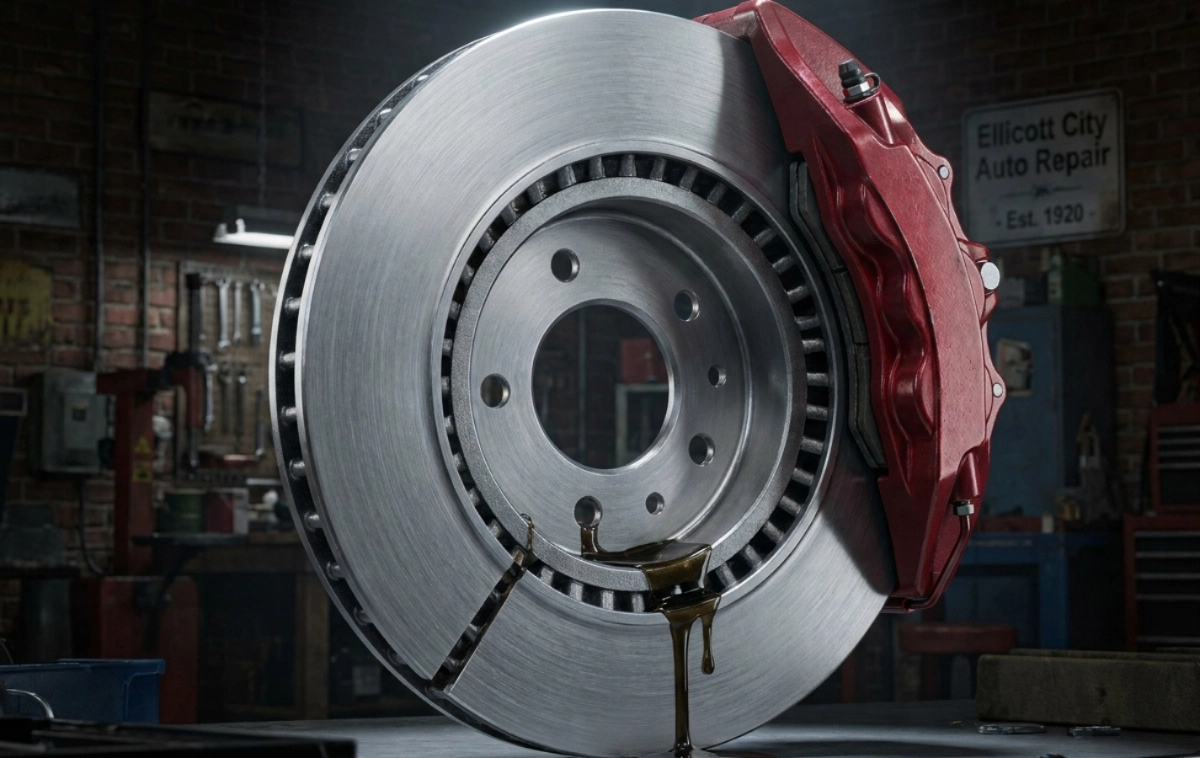
Your vehicle's braking system is arguably its most critical safety feature, and when it comes to ensuring optimal working condition, our comprehensive auto repair & service covers all components.
- Brake Pads/Shoes: Thickness and wear limits
- Brake Rotors/Drums: Condition, thickness, and any signs of excessive wear or scoring
- Brake Lines/Hoses: Leaks, corrosion, cracks, or bulges
- Master Cylinder: Proper fluid levels and absence of leaks
- Parking Brake: Functionality and ability to hold the vehicle securely
- ABS (Anti-lock Braking System): Warning lights and operational integrity
Steering and Suspension: Control and Stability
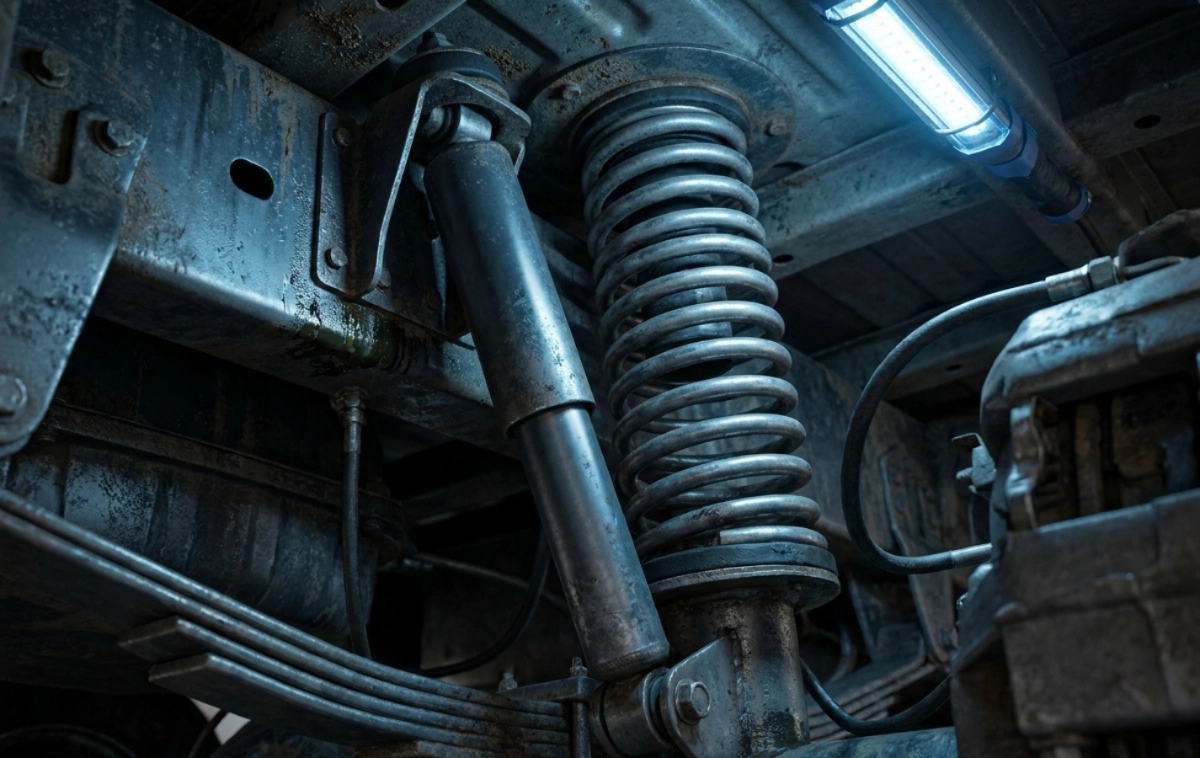
Proper steering and suspension are essential for vehicle control, handling, and passenger comfort. Issues in these areas can significantly impair your ability to safely drive.
- Steering Wheel: Excessive play or looseness
- Power Steering System: Leaks, fluid levels, and pump operation
- Tie Rod Ends, Ball Joints, Control Arms: Wear and secure attachment
- Shocks/Struts: Leaks, damage, or excessive bouncing
- Springs: Cracks or breaks
- Wheel Bearings: Noise or looseness
Wheels and Tires: Your Connection to the Road
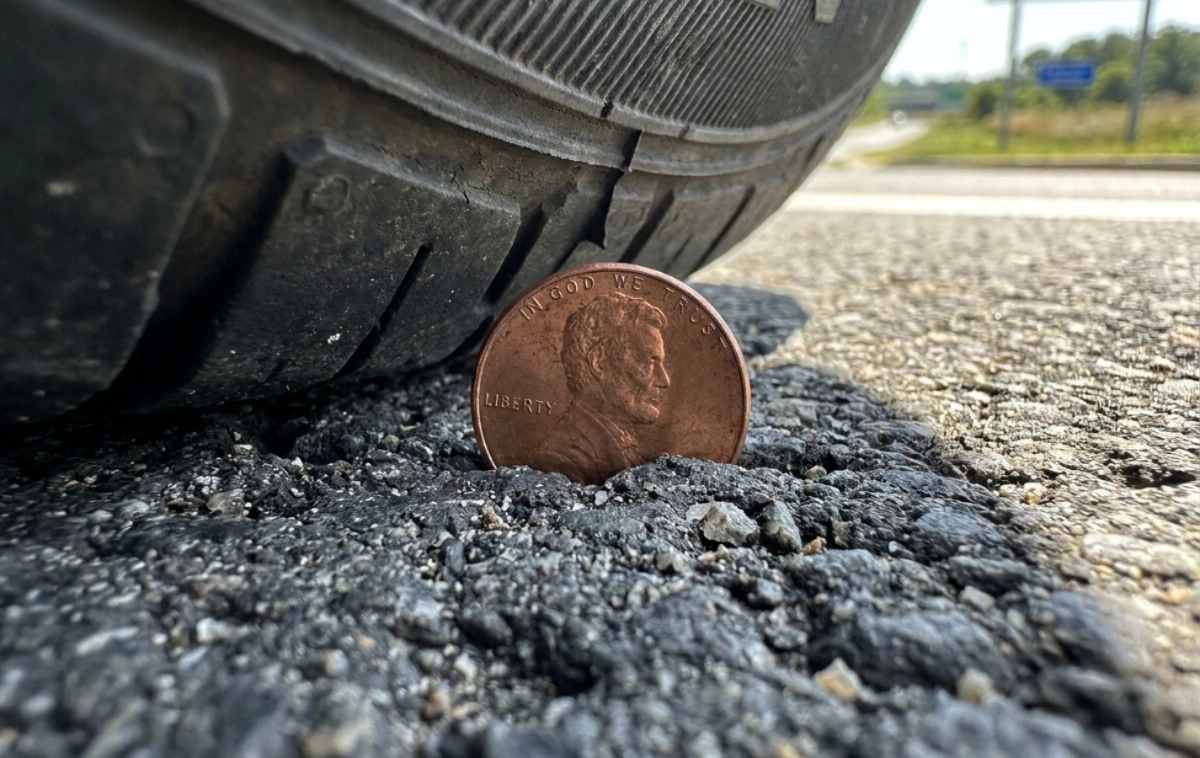
The condition of your wheels and tires directly impacts traction, braking, and overall safety, making it essential to understand how often you should rotate tires to prevent minor defects that can be grounds for failure.
- Tire Tread Depth: Must meet minimum legal requirements
- Tire Condition: No bulges, cuts, or exposed cords
- Wheel Condition: No cracks, bends, or damage
- Lug Nuts: Presence and secure tightening
- Spare Tire (if applicable): Condition and inflation (though not always a failure item, often checked)
Lights and Electrical: Visibility and Communication

All lighting systems must be fully functional for visibility and to communicate your intentions to other drivers. This includes both interior and exterior lights.
- Headlights: High and low beam operation, proper alignment
- Taillights: Functionality, including brake lights and reverse lights
- Turn Signals: Front and rear, left and right operation
- Hazard Lights: All four signals functioning simultaneously
- License Plate Light: Must illuminate the plate
- Horn: Functionality
- Wiring: No exposed or damaged wires
Exhaust System: Emissions and Noise Control
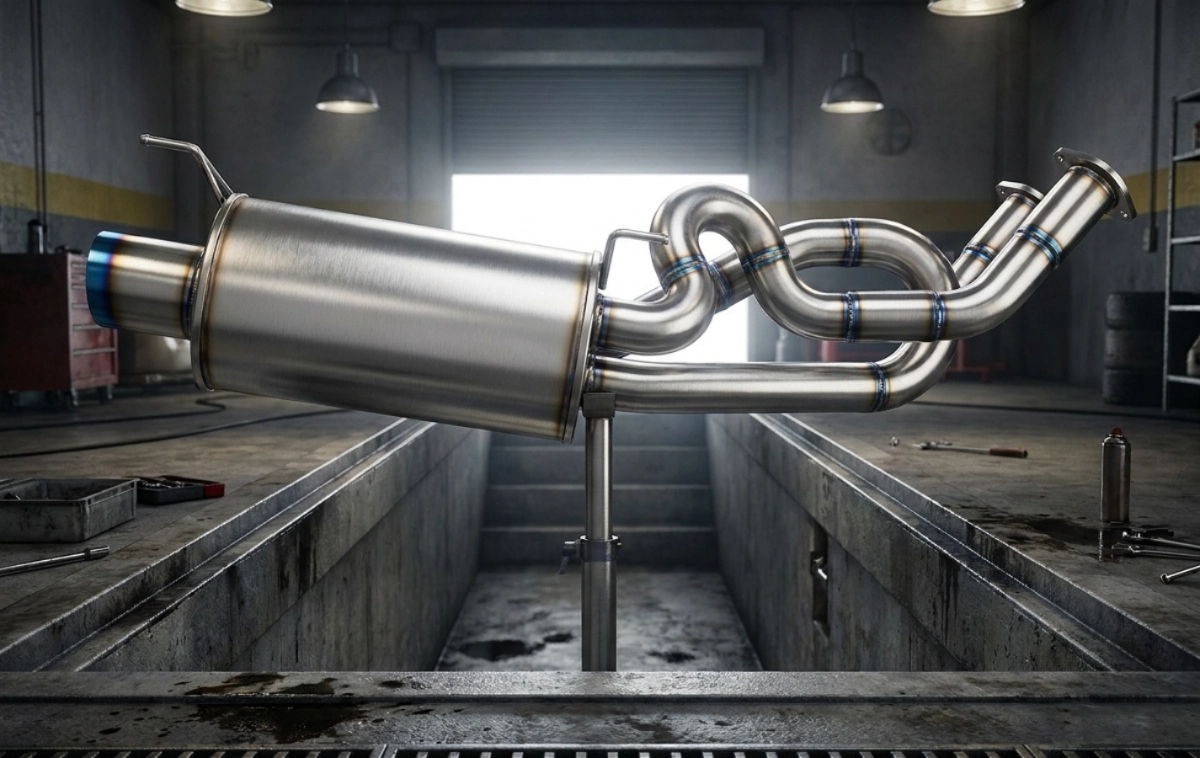
The exhaust system handles harmful emissions and reduces engine noise. Any leaks or damage can lead to failure.
- Muffler and Pipes: No leaks, excessive corrosion, or damage
- Catalytic Converter: Presence and proper function (no missing or tampered components)
- Mountings: Secure attachment of the entire system
Fuel System: Safety Against Leaks
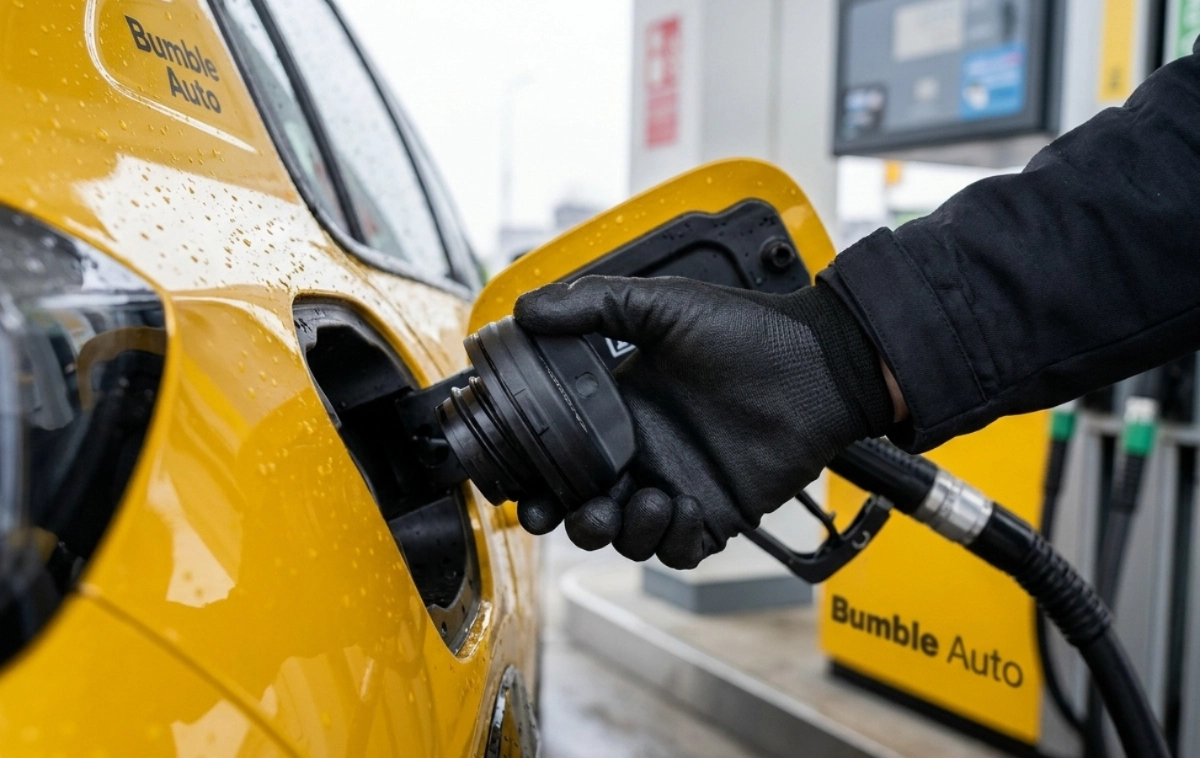
A leaking fuel system is a serious fire hazard. Inspectors will check for any compromises.
- Fuel Tank: No leaks or damage
- Fuel Lines: No leaks, cracks, or severe corrosion
- Fuel Cap: Proper seal and condition
Body, Chassis, and Frame: Structural Integrity
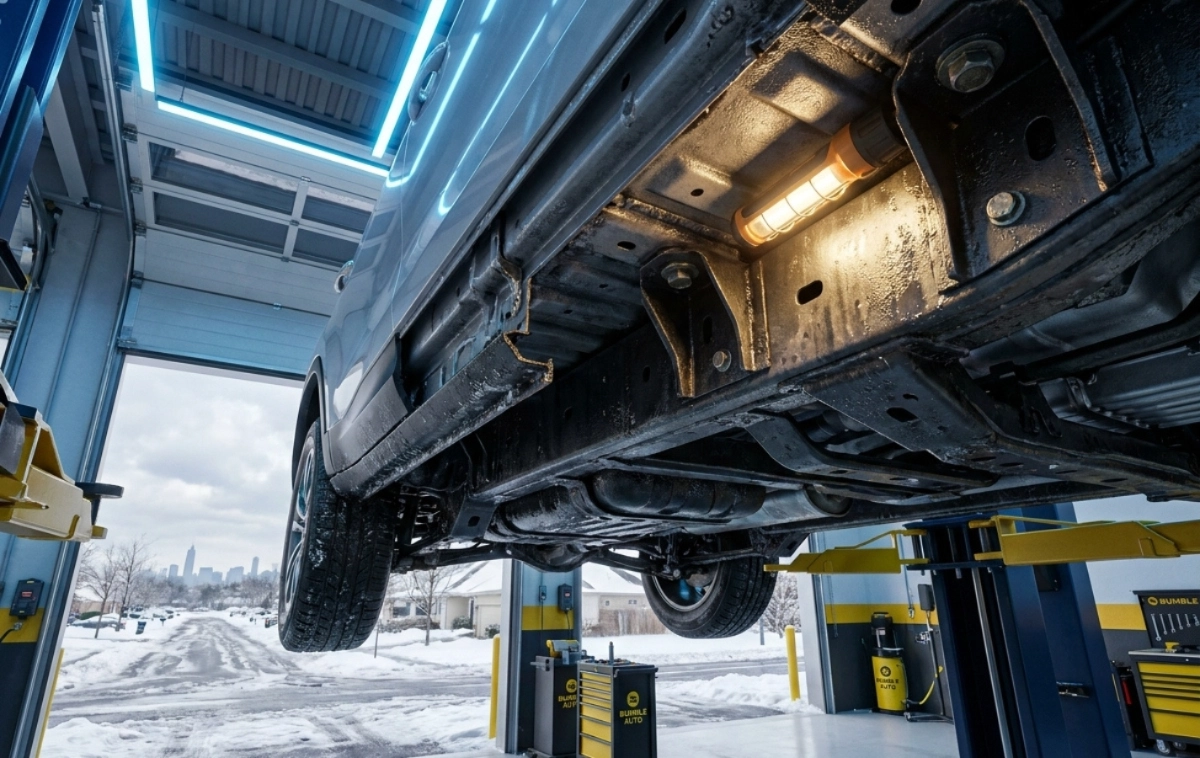
The structural integrity of your vehicle's body and frame is critical for crash protection and overall stability.
- Frame: No cracks, bends, or severe rust that compromises structural integrity
- Body Panels: No sharp edges, loose parts, or excessive corrosion
- Bumpers: Securely attached and not severely damaged
- Windows and Windshield: No cracks or damage that obstructs vision
- Wipers and Washer Fluid: Functionality and sufficient fluid
Safety Devices: Seatbelts and Airbags
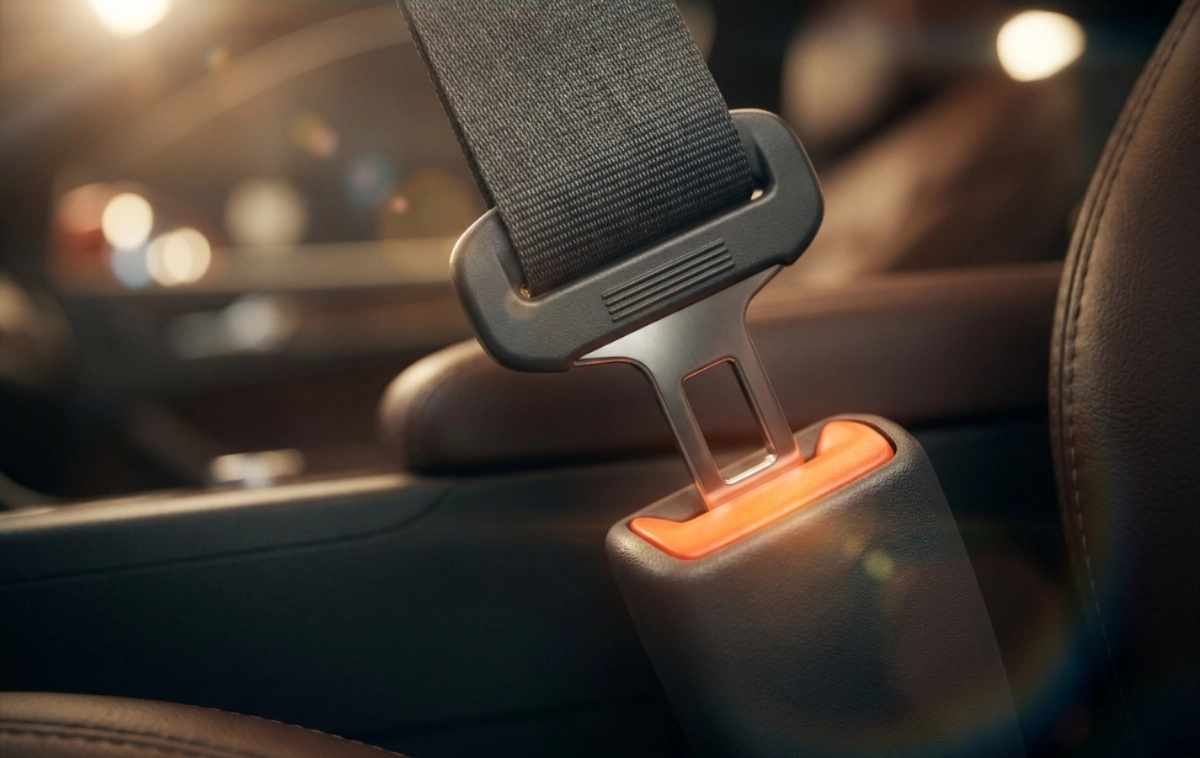
Modern vehicles are equipped with numerous safety devices that must be in working order.
- Seatbelts: All must be present, fully functional, and free from damage
- Airbag System: No warning lights illuminated, indicating proper operation
Preparing Your Vehicle for a Maryland Inspection
Proactive preparation can save you time and money. Many common inspection failures can be identified and corrected before you even arrive at the inspection station. A pre-inspection check can make all the difference.
DIY Pre-Inspection Checklist
7 simple vehicle checks to review before your Maryland safety inspection
-
Check All Exterior Lights
Check headlights, taillights, turn signals, and the license plate light. If you notice a faulty brake light, you might even consider learning how to change a car brake light yourself .
-
Inspect Tire Condition
Inspect tires for adequate tread depth using a penny test and look for visible damage such as bulges or cracks.
-
Test Horn, Wipers & Washer Fluid
Test your horn, windshield wipers, and washer fluid to confirm they are functioning properly.
-
Check All Seatbelts
Ensure all seatbelts are functional and retract properly.
-
Review Dashboard Warning Lights
Check for dashboard warning lights such as Check Engine, ABS, or Airbag indicators.
-
Look for Fluid Leaks
Look underneath the vehicle for any obvious fluid leaks.
-
Inspect the Exhaust System
Confirm that your exhaust system is not excessively loud and appears intact.
Professional Pre-Inspection at Bumble Auto
For a more thorough assessment, consider a pre-inspection service at Bumble Auto. Our certified technicians can identify potential issues that might cause a failure, giving you the opportunity to address them before the official inspection. This can be especially helpful for older vehicles or those with unknown maintenance history.
Common Reasons for Maryland Inspection Failure
Even seemingly minor issues can lead to a failed inspection, so understanding what fails a Maryland safety inspection can help you focus your preparation efforts. Many drivers underestimate the strictness of certain requirements.
| System Area | Common Failure Point | Impact on Safety |
|---|---|---|
| Brakes | Worn pads/rotors, fluid leaks, parking brake malfunction | Extended stopping distance, loss of control |
| Steering/Suspension | Worn ball joints/tie rod ends, leaking shocks | Poor handling, erratic steering, tire wear |
| Tires | Insufficient tread depth, sidewall damage, uneven wear | Reduced traction, increased risk of blowouts |
| Lights | Burnt-out bulbs, improper alignment, non-functional signals | Limited visibility, inability to communicate intentions |
| Exhaust System | Leaks, missing catalytic converter, loose components | Emission violations, potential carbon monoxide exposure |
Editorial Note: This table represents common failure points based on industry observations and is illustrative of potential issues, not a guarantee of specific outcomes. Official inspection criteria always apply.
What Happens if Your Vehicle Fails the Inspection?
A failed inspection isn't the end of the road. Maryland law provides a clear process for addressing deficiencies. The key is to act within the specified timeframe.
Correction and Re-inspection Process
- Receive a rejection notice detailing all failed items.
- Repair or replace the deficient components. You have 30 days or 1,000 miles from the original inspection date to complete repairs and have the vehicle re-inspected. If you exceed this, a full new inspection is required.
- Return to the original inspection station for a re-inspection. If you choose another facility, a full new inspection will be necessary.
- Once all issues are resolved and the vehicle passes, you will receive an official Maryland Inspection Certificate.
Bumble Auto can assist with both the inspection and any necessary repairs to help ensure your vehicle passes efficiently, offering complete Maryland State Safety Inspection services.
Choosing a Certified Maryland Inspection Station in the DMV
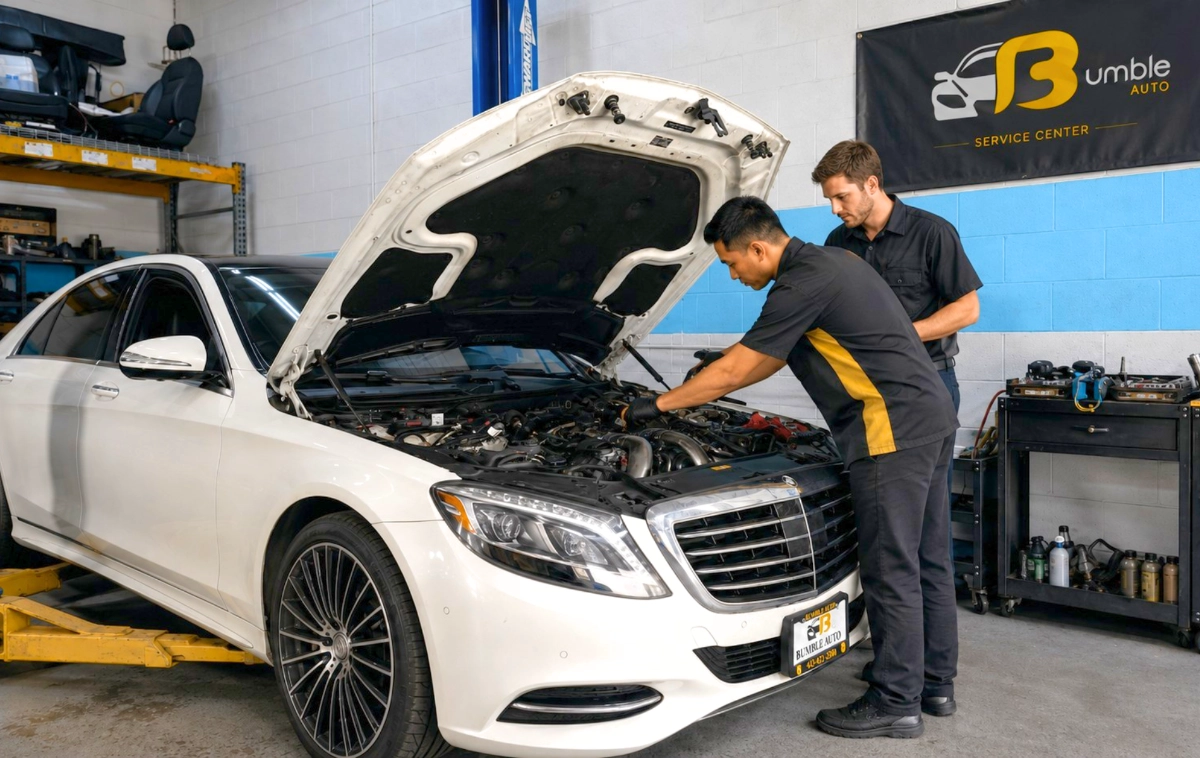
The quality of your inspection depends entirely on the station you choose. It's crucial to select a facility that is officially licensed by the Maryland MVA and has a reputation for integrity and expertise.
Why Choose Bumble Auto for Your Maryland Inspection?
- MVA Certified: Bumble Auto is a fully licensed and certified Maryland State Safety Inspection station.
- Experienced Technicians: Our mechanics are highly trained and knowledgeable in all Maryland inspection requirements.
- Transparent Process: We provide clear explanations of any issues and fair estimates for repairs.
- Convenient Location: Easily accessible from Elkridge, Ellicott City, Columbia, Baltimore, and surrounding Howard County areas.
- Comprehensive Service: We can perform the inspection and any necessary repairs under one roof, saving you time and hassle.
Whether you're purchasing a used car that needs its first Maryland inspection, or preparing to trade in your current vehicle, Bumble Auto offers reliable, trustworthy service.
Frequently Asked Questions About Maryland Inspections
How long is a Maryland State Safety Inspection certificate valid?
What vehicles are exempt from Maryland safety inspections?
Does Maryland require emissions testing for 2026?
Can I get an extension if my inspection expires?
Ready for Your Maryland State Safety Inspection?
Ensure your vehicle is safe and compliant with Maryland regulations. Our certified team at Bumble Auto is ready to perform your inspection and address any necessary repairs efficiently and transparently.
Schedule Your Inspection TodayServing Elkridge, Ellicott City, Columbia, Baltimore & the greater DMV area
Prepared by: The Bumble Auto Content Team
Reviewed by: The Bumble Auto Editorial Team.
Last updated: July 2026.