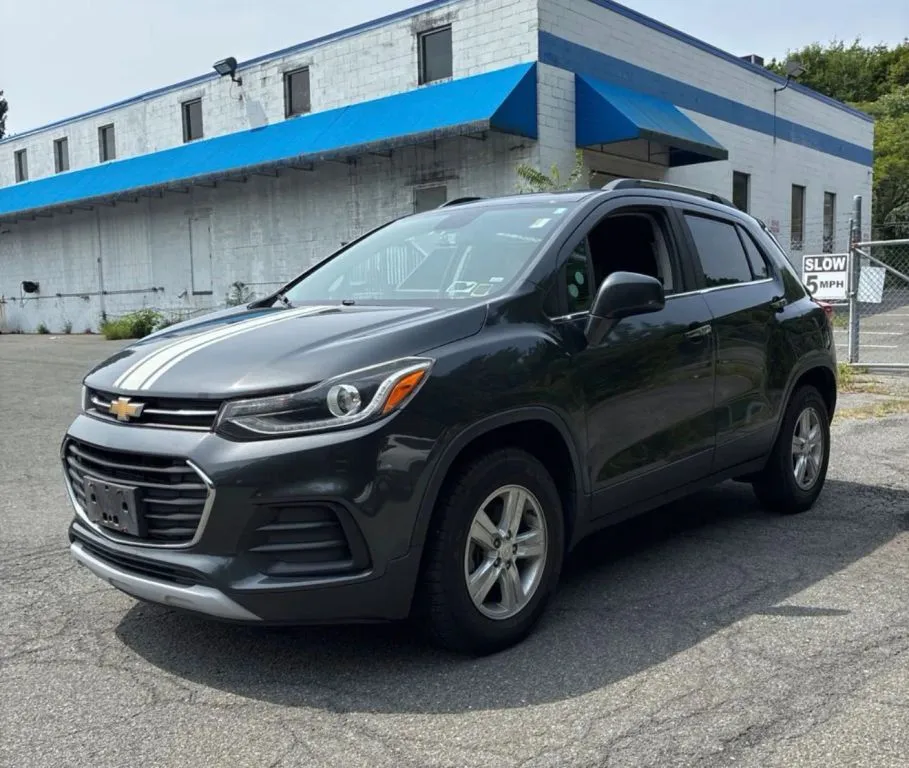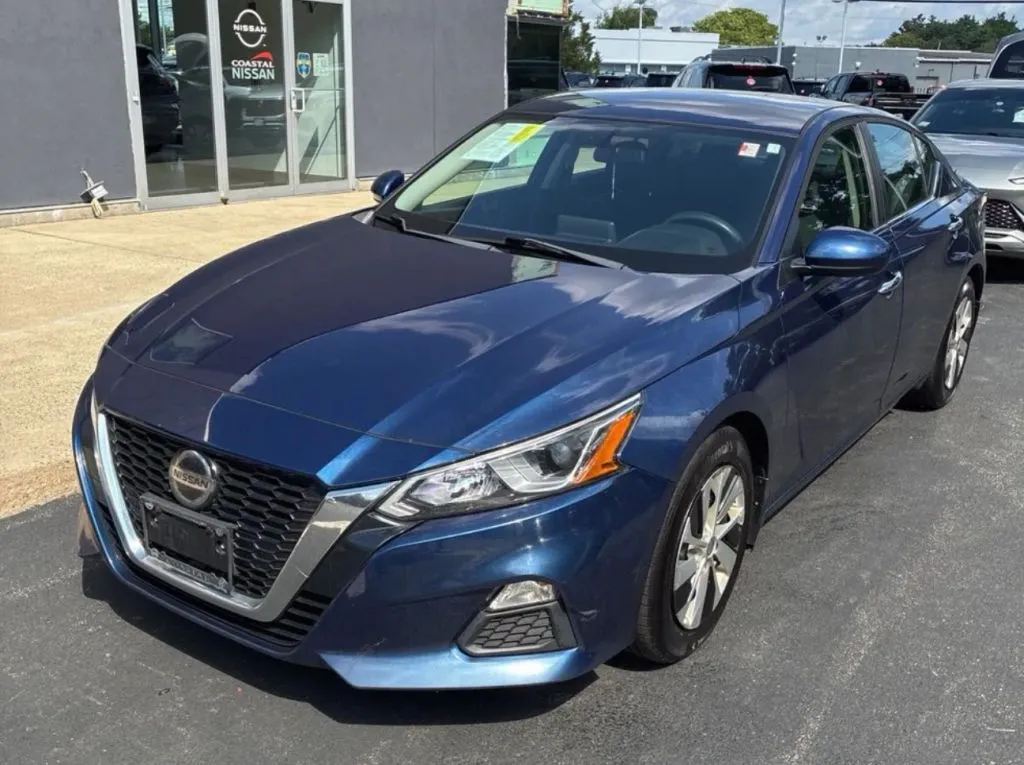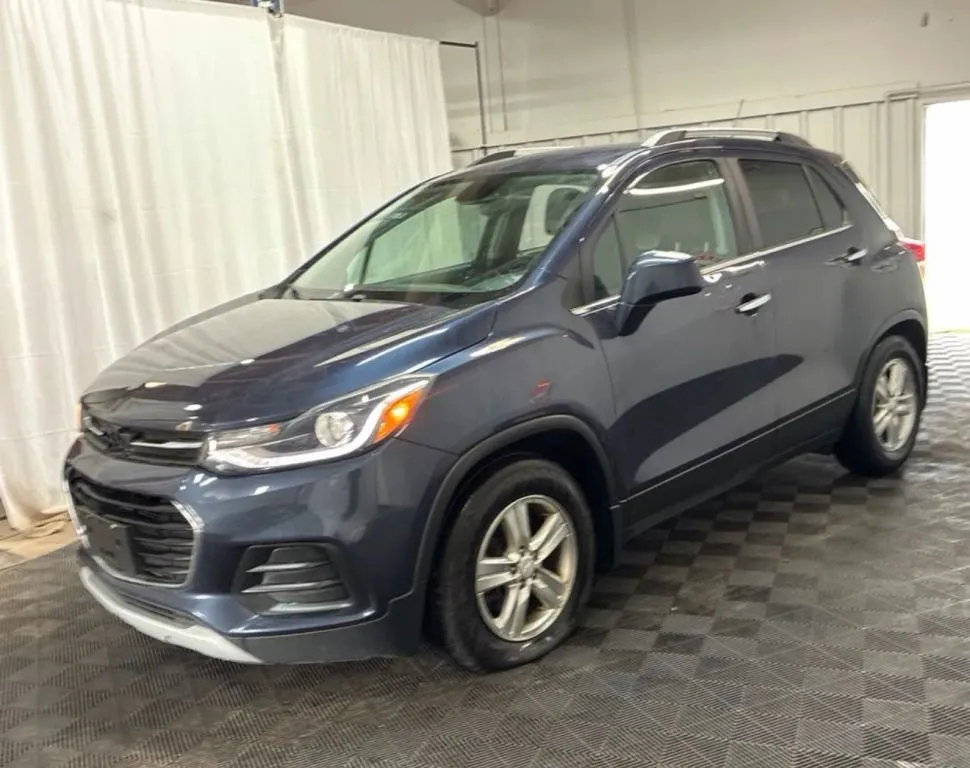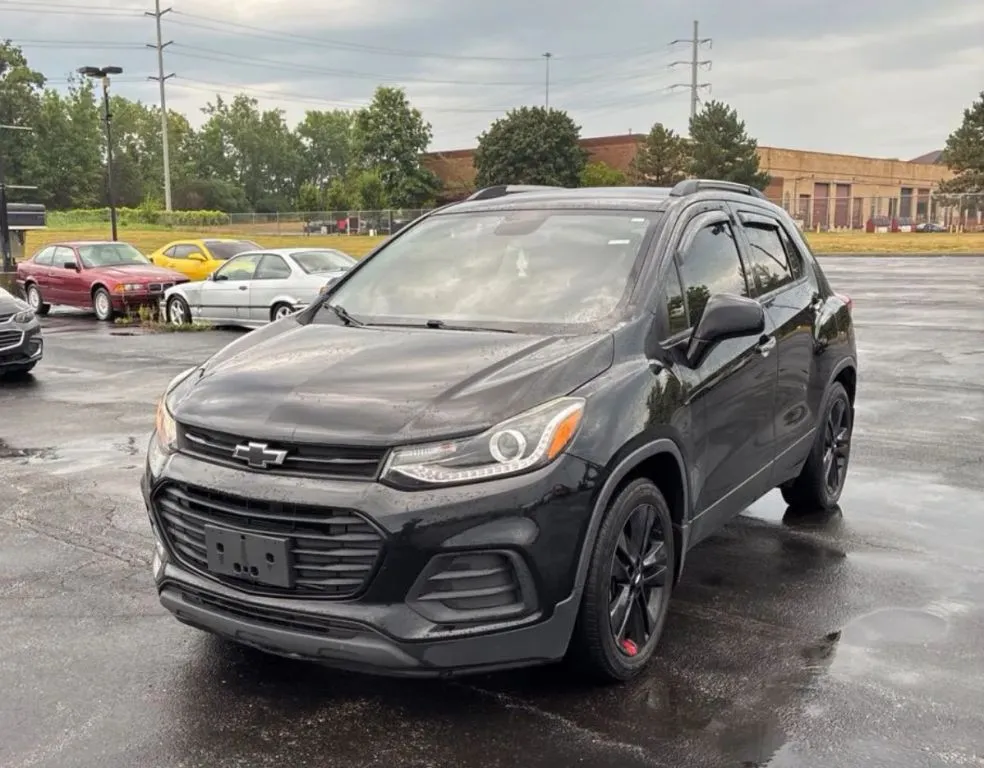
How to Compare Several Used Vehicles in the Same Price Range in Maryland
Table of Contents
- Why a Strategic Comparison Matters for Used Cars
- Step 1: Initial Research & Defining Your Priorities
- Identify Non-Negotiables and Preferences
- Create a Shortlist of Contenders
- Step 2: Deep Dive into Vehicle History Reports
- Step 3: Mileage, Age, and Condition Assessment
- Understanding Mileage vs. Age
- Visual and Mechanical Inspection
- Step 4: The Importance of a Test Drive
- Step 5: Professional Pre-Purchase Inspection (PPI)
- Step 6: Comparing Value, Features, and Financing
- Financial Considerations
- Avoiding Common Pitfalls in Used Car Comparison
- Frequently Asked Questions About Comparing Used Cars
- Related Services at Bumble Auto
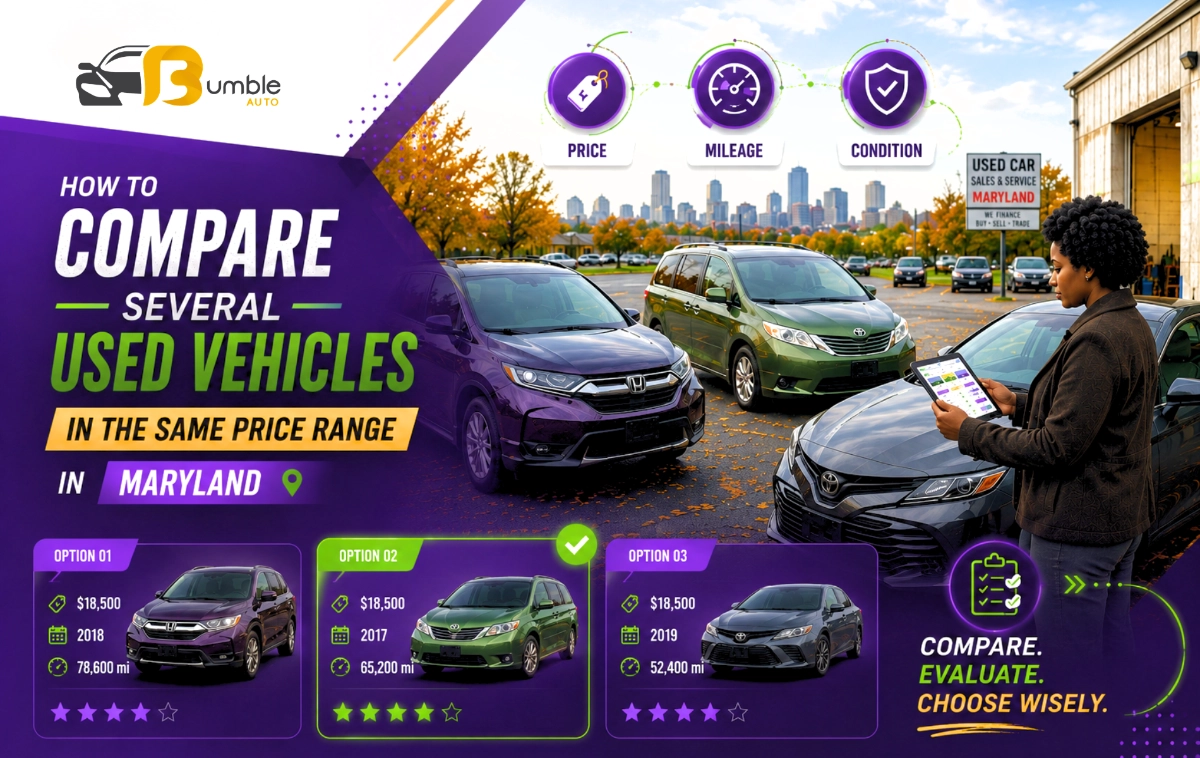
Effective Comparison for Used Vehicles
To effectively compare several used vehicles in the same price range, prioritize a detailed review of each car's history report, conduct thorough test drives, and arrange pre-purchase inspections. Evaluate factors like mileage, condition, features, and long-term costs to align with your specific needs and driving habits in Maryland.
While comparing several used vehicles in a similar price bracket can feel overwhelming, understanding how to buy a used car is a smart approach to ensure you get the best value and the right car for your needs. In Maryland, where driving conditions vary from bustling city streets to scenic country roads, a thorough comparison is essential. This guide from Bumble Auto will walk you through a systematic process to evaluate your options, helping you make a confident decision.
Why a Strategic Comparison Matters for Used Cars

When several cars share a similar price, it often means they are competing on different strengths—perhaps one has lower mileage but fewer features, while another is older but a premium model. A strategic comparison helps you look beyond the sticker price to assess the true value and suitability of each vehicle.
- Uncover hidden costs and potential issues
- Align vehicle features with your lifestyle needs
- Ensure long-term reliability and satisfaction
- Negotiate better by understanding each vehicle's true worth
- Avoid buyer's remorse by making an informed choice
Step 1: Initial Research & Defining Your Priorities
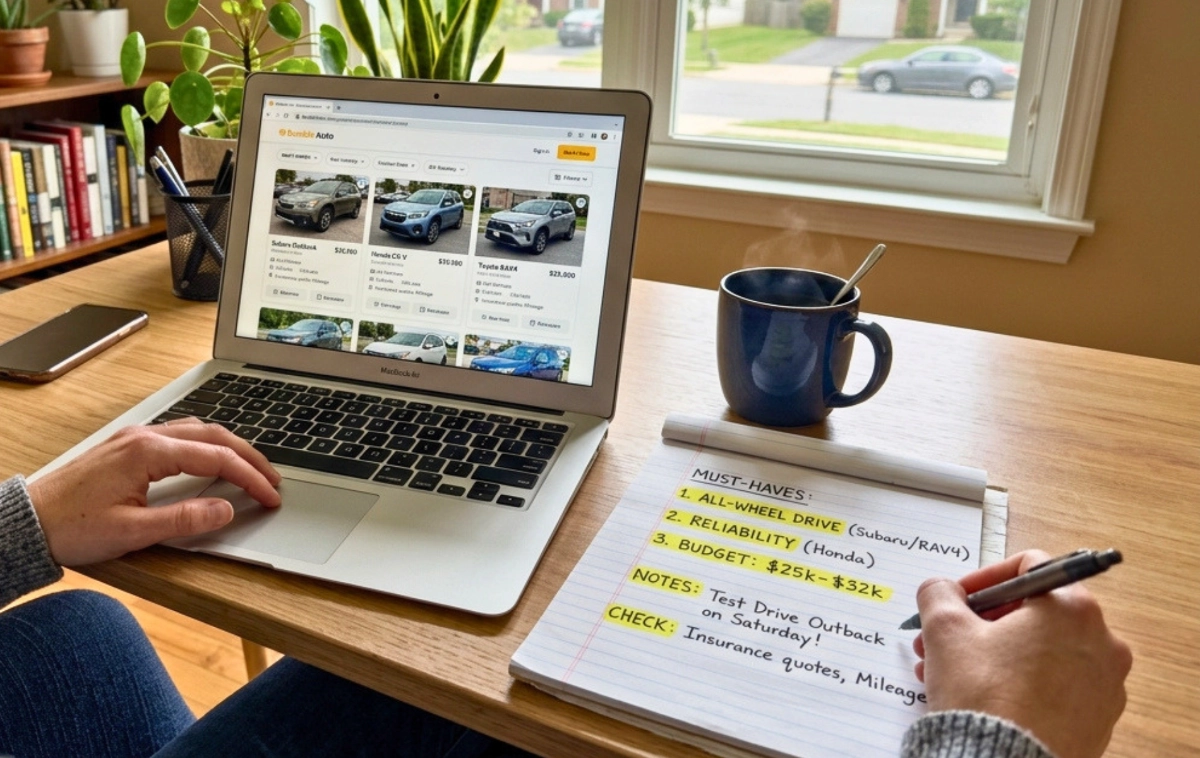
Before you even step foot on a lot, solid research is your best friend. Start by clarifying what you truly need and want in a used car, especially if you're navigating the varied terrain and commuting patterns of Maryland.
Identify Non-Negotiables and Preferences
- Vehicle Type: Sedan, SUV, truck, or van? Consider Maryland's diverse driving needs.
- Fuel Efficiency: Important for daily commutes in and around Baltimore, Ellicott City, or Columbia.
- Safety Features: Modern safety tech can provide peace of mind.
- Cargo Space: Essential for families or those with active lifestyles.
- Technology & Comfort: Bluetooth, navigation, heated seats for colder Maryland winters.
- Budget: Stick to your set price range for a used car.
Create a Shortlist of Contenders
Once your criteria are set, start browsing used cars for sale online. Look for vehicles that match your priorities and fall within your price range. Don't limit yourself to just one make or model; explore different options that meet similar needs.
Step 2: Deep Dive into Vehicle History Reports
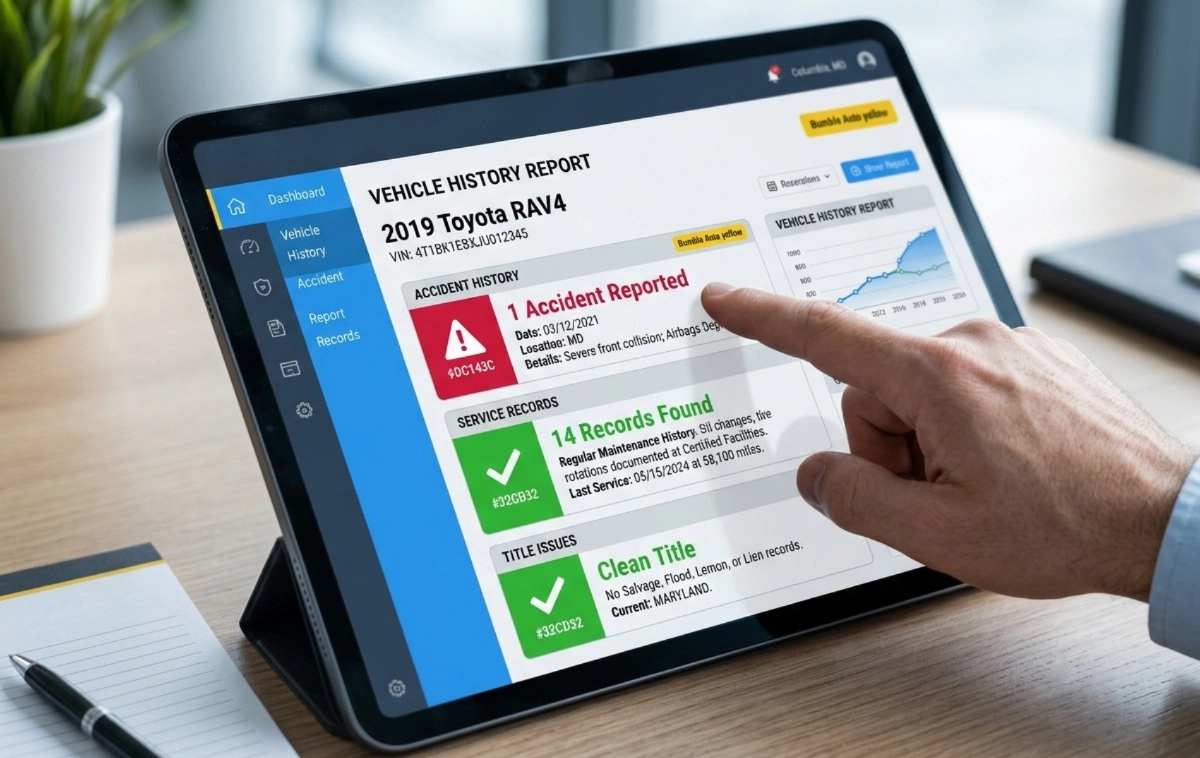
This is a critical step when comparing used cars. A comprehensive vehicle history report, such as CARFAX or AutoCheck, provides invaluable insights into a car's past. Don't skip this, especially for vehicles in a similar price range where subtle differences in history can mean a lot.
- Accident History: Look for any reported collisions or damage.
- Service Records: Regular maintenance indicates a well-cared-for vehicle.
- Ownership History: Multiple owners or short ownership periods might raise questions.
- Title Issues: Salvage, flood, or lemon titles are red flags.
- Recalls: Check if any safety recalls have been addressed.
Even if two cars look identical on the surface and have similar mileage, their history reports can tell a very different story about their long-term reliability and safety, helping you avoid some of the worst used cars you should never buy.
Step 3: Mileage, Age, and Condition Assessment
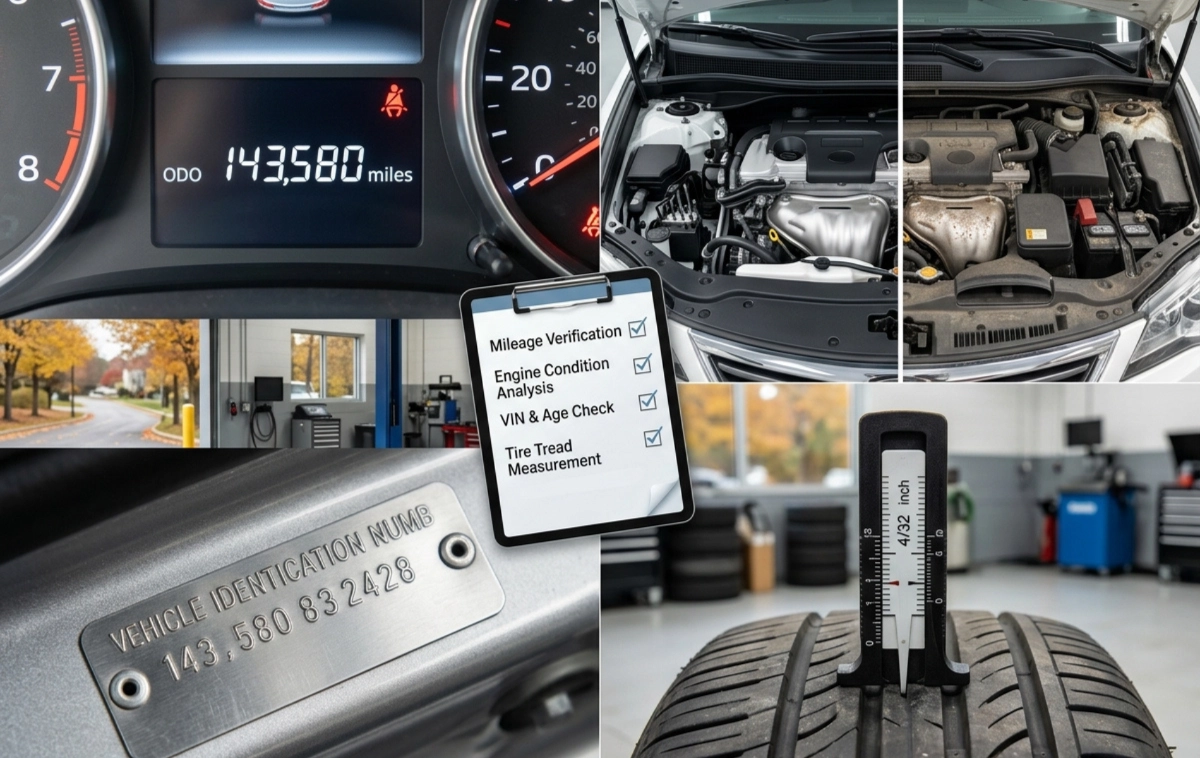
While mileage and age are often linked to price, understanding how many miles are good for a used car and their impact on a used car's condition and lifespan needs careful evaluation, particularly when you're comparing vehicles in a narrow price band.
Understanding Mileage vs. Age
A younger car with high mileage might have primarily highway miles, which are often less taxing than stop-and-go city driving. Conversely, an older car with very low mileage could have sat unused for extended periods, potentially leading to issues with seals, tires, or other components. Always consider the context.
- High Mileage (but newer): Often means highway driving, potentially fewer wear-and-tear issues on engine/transmission.
- Low Mileage (but older): Can mean short trips or prolonged sitting, which might lead to dry rot in tires/hoses, or battery issues.
- Average Mileage: Generally around 12,000-15,000 miles per year.
Visual and Mechanical Inspection
Conduct a thorough visual inspection of each vehicle. Look for inconsistencies in paint, signs of rust (especially important in Maryland's coastal areas), tire wear, fluid leaks, and interior condition. Don't be afraid to open the hood and trunk.
Key Areas for Visual Inspection
When comparing used vehicles, focus your visual inspection on these critical areas:
Note: This chart illustrates common areas of focus and relative condition. A professional pre-purchase inspection will provide a definitive assessment.
Step 4: The Importance of a Test Drive
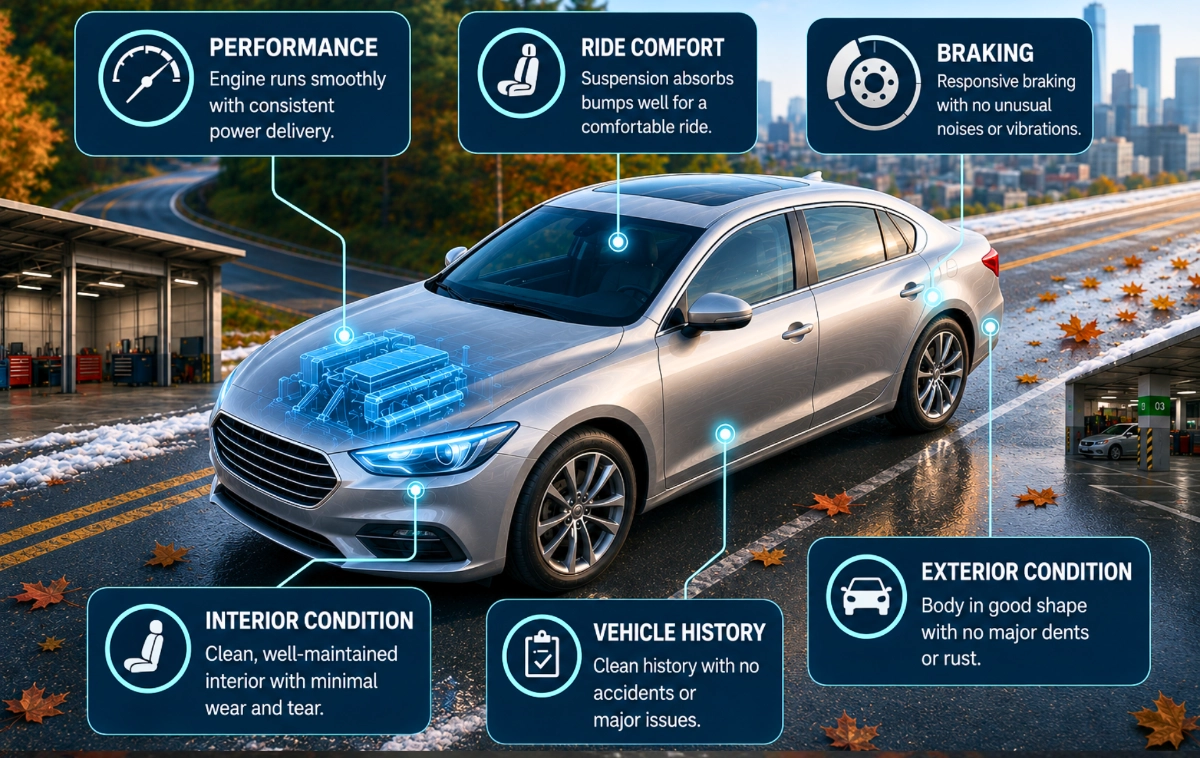
You can gather a lot of information from reports and visual checks, but nothing replaces the actual experience of driving the car. A test drive helps you evaluate performance, comfort, and any potential issues that only manifest on the road.
- Diverse Road Conditions: Drive on highways, local streets, and even try parking maneuvers.
- Listen Carefully: Pay attention to any unusual noises from the engine, brakes, or suspension.
- Check Controls: Test all lights, wipers, AC, heater, radio, and power windows/mirrors.
- Braking Performance: Evaluate how the car stops, looking for pulls or vibrations.
- Acceleration & Shifting: Ensure smooth acceleration and gear changes.
If you're comparing several vehicles, try to test drive them all on the same day or within a short period to keep the experience fresh in your mind. Take notes immediately after each test drive.
Step 5: Professional Pre-Purchase Inspection (PPI)
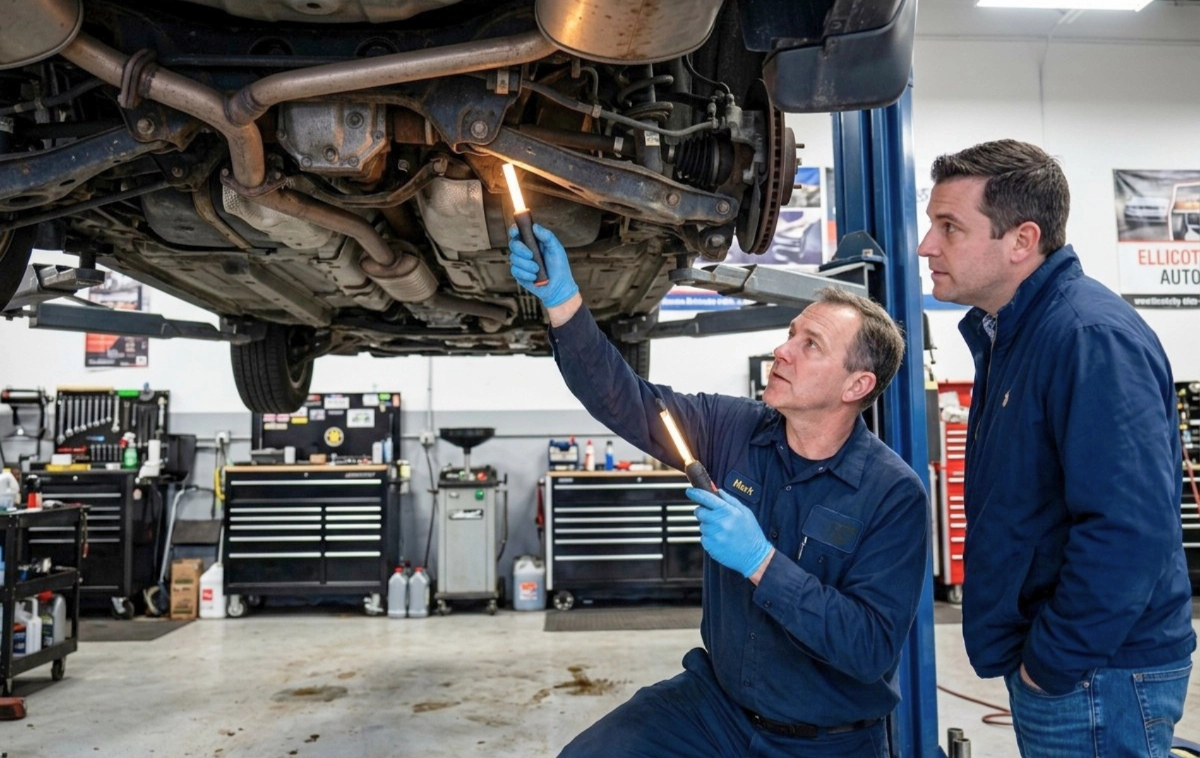
Even if a used car appears to be in great condition and passes a stellar test drive, a Pre-Purchase Inspection (PPI) by an independent, certified mechanic is highly recommended. This is especially true when comparing similar options, as a PPI can reveal subtle yet costly differences.
- Choose an independent mechanic not affiliated with the seller.
- Schedule the inspection at their shop.
- The mechanic will conduct a detailed check of the engine, transmission, brakes, suspension, and other critical components,
- You'll receive a detailed report outlining any issues, potential repairs, and overall condition.
- Use this report to either confidently purchase the vehicle or inform your negotiations.
Bumble Auto offers transparent processes and welcomes independent inspections, understanding that confidence is key in your used car purchase.
Step 6: Comparing Value, Features, and Financing
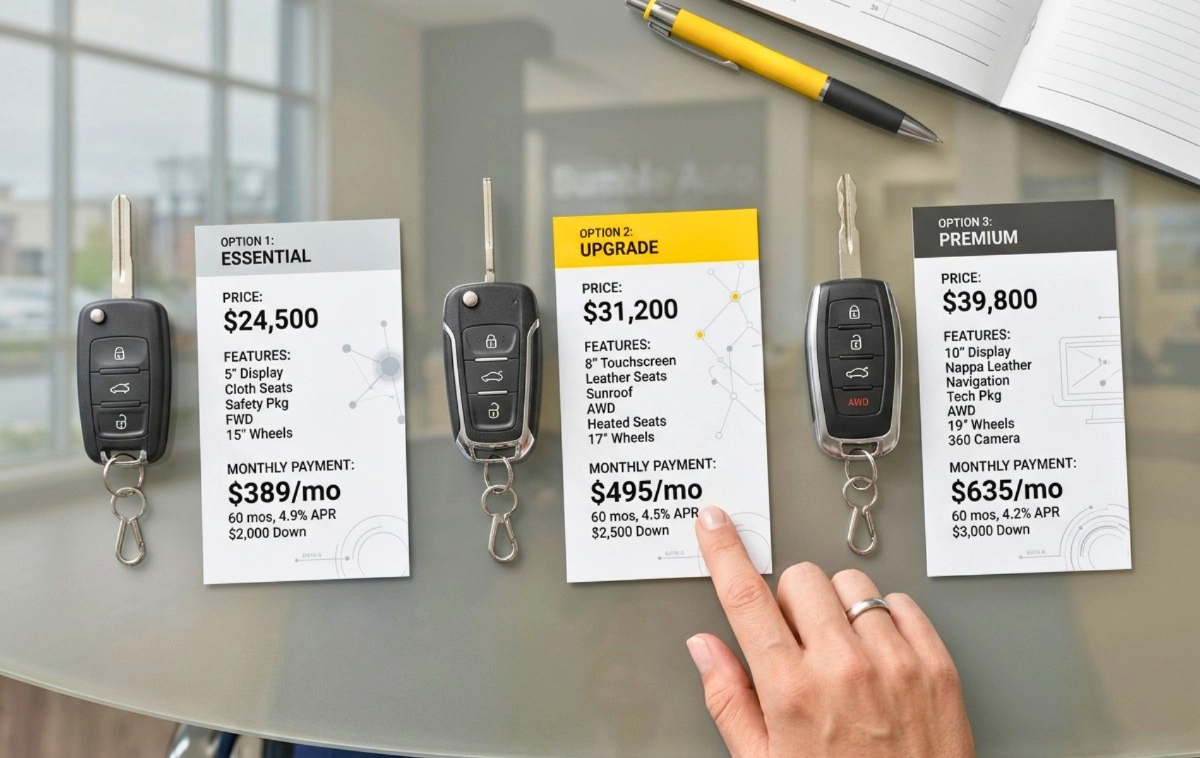
Once you have all the data—history, inspection, and test drive notes—it's time for a side-by-side comparison of the overall value, not just the price. This includes considering auto financing options and potential long-term costs.
| Feature/Factor | Vehicle A (Example) | Vehicle B (Example) | Vehicle C (Example) |
|---|---|---|---|
| Price | $18,500 | $18,000 | $19,000 |
| Year / Make / Model | 2021 Sedan (60k miles) | 2019 SUV (45k miles) | 2020 Hatchback (55k miles) |
| Vehicle History Report | Minor Accident, 1 Owner, Regular Service | Clean, 2 Owners, Irregular Service | Clean, 1 Owner, Regular Service |
| Test Drive Impression | Smooth ride, responsive, good tech | Comfortable but slightly sluggish | Sporty, firm ride, good visibility |
| PPI Notes | Minor brake wear, tires good for 10k miles | Transmission fluid low, minor oil leak | All clear, excellent condition |
| Key Features | Backup camera, Bluetooth, Lane Assist | Panoramic sunroof, AWD, Heated Seats | Apple CarPlay, LED headlights |
| Estimated Annual Fuel Cost | $1,500 | $1,900 | $1,650 |
| Estimated Annual Insurance | $1,200 | $1,400 | $1,300 |
| Pros | Newer, fuel-efficient, advanced safety | AWD for Maryland winters, spacious | Modern tech, nimble for city driving |
| Cons | Previous accident history | Older, potential transmission issue, higher fuel cost | Slightly higher initial price |
Note: This table is illustrative and provides an example framework for comparing different used vehicles within a similar price bracket. Actual details will vary per vehicle.
Financial Considerations
- Insurance Costs: Rates can vary significantly based on vehicle make, model, age, and your driving history. Get quotes for each car.
- Maintenance & Repair: European cars or luxury models may have higher maintenance costs. Factor in potential repairs noted during the PPI.
- Fuel Economy: Significant for long-term ownership. Compare EPA estimates.
- Explore different loan options: Bumble Auto can help you get pre-qualified for auto financing, streamlining your purchase process.
Avoiding Common Pitfalls in Used Car Comparison
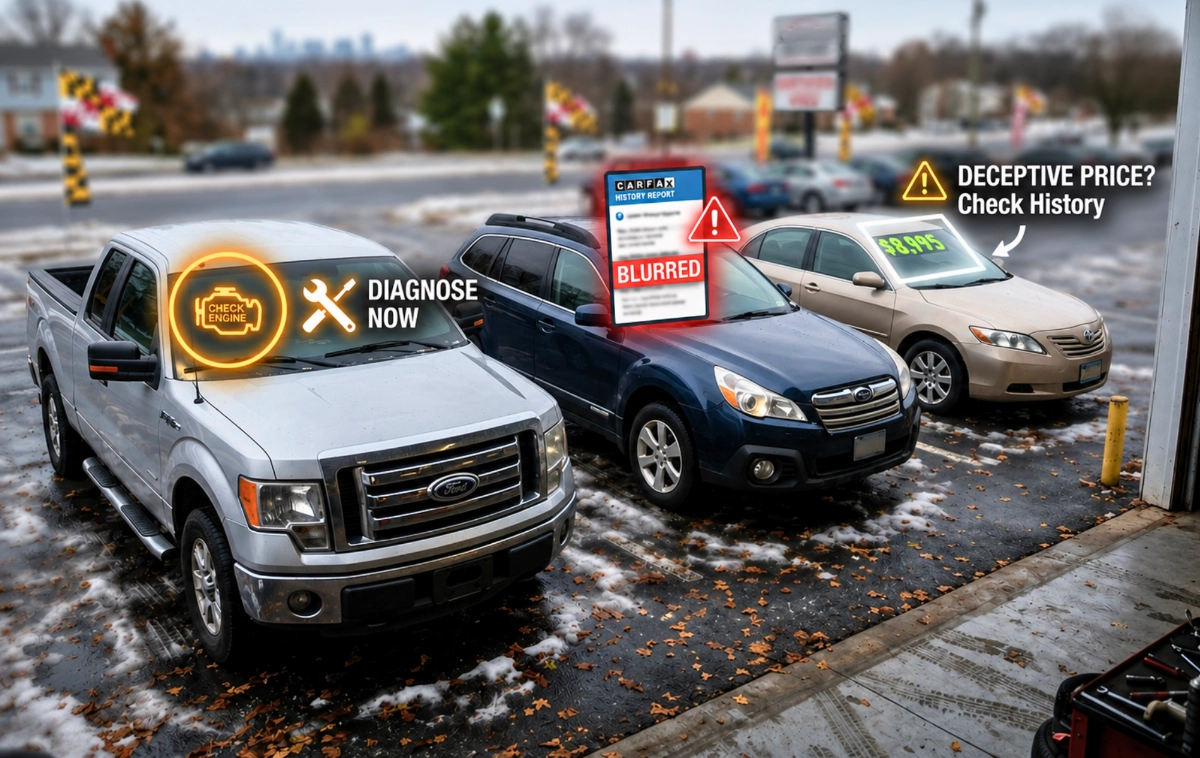
Even with a systematic approach, it's easy to fall into common traps. Be aware of these to ensure a smooth comparison process.
- Focusing solely on price: is a common pitfall, as a slightly cheaper car can quickly become more expensive with repairs, highlighting the importance of knowing the dos and don'ts you have to know when buying a used car.
- Ignoring vehicle history: A clean appearance can hide a troubled past.
- Skipping the test drive: You need to feel how the car performs.
- Not getting a PPI: This is your best defense against unexpected issues.
- Falling in love with one car too early: Keep an objective mind until all comparisons are complete.
- Neglecting long-term costs: Fuel, insurance, and maintenance add up over time.
Frequently Asked Questions About Comparing Used Cars
How many used cars should I compare at once?
Is it worth paying for a vehicle history report for every car I'm considering?
What's the best time to buy a used car in Maryland?
Can I negotiate the price if I find issues during my comparison?
Related Services at Bumble Auto
At Bumble Auto, we're dedicated to making your used car buying experience in Elkridge, Ellicott City, Columbia, Baltimore, and the wider DMV area as transparent and straightforward as possible. Beyond our wide selection of used cars, used SUVs, and used trucks, we offer a full suite of services to support you.
- Auto Financing: Our finance team works with various lenders to secure competitive rates.
- Trade-In Your Car: Get a fair market value for your current vehicle.
Find Your Perfect Match at Bumble Auto
Ready to put your comparison skills to the test? Browse Bumble Auto's extensive inventory of quality used vehicles in Maryland. Our team is here to provide all the information and support you need for a confident purchase.
Browse Current InventoryServing Elkridge, Ellicott City, Columbia, Baltimore & the greater DMV area
Comparing several used vehicles in the same price range is a strategic way to ensure you're making a wise investment. By systematically evaluating vehicle history, condition, test-drive impressions, and long-term costs, you can confidently narrow down your options and decide if you should buy from a used car dealer. Bumble Auto is committed to providing the resources and inventory to help you drive home the right used car for your Maryland lifestyle. Start your informed journey with us today.
Prepared by: The Bumble Auto Content Team
Reviewed by: The Bumble Auto Editorial Team.
Date Updated: Aug 2026
Content Disclaimer: This article is for general informational purposes only and should not replace direct confirmation from the dealership regarding current inventory, pricing, financing, or service availability.
Financing Disclaimer: Financing options are subject to credit approval, lender terms, vehicle eligibility, and other applicable conditions. Not all applicants will qualify for the same terms.
Inventory Disclaimer: Vehicle availability, pricing, mileage, features, and financing options may change. Please contact Bumble Auto or check the current vehicle listing for the most up-to-date information.