How Seasonal Changes Affect Used Car Prices in Elkridge
Table of Contents
- Why Seasonality Matters in the Used Car Market
- The Elkridge & DMV Used Car Market: A Unique Landscape
- Winter: Lower Demand, Strategic Opportunities
- Spring: Rising Demand and Price Increases
- Summer: Peak Demand, Especially for SUVs & Family Cars
- Fall: A Market Correction Period
- How Weather Specifically Impacts Vehicle Demand
- Seasonal Mileage Patterns & Their Pricing Impact
- How Seasonal Trade-Ins Affect Inventory
- Gas Prices and Seasonal Vehicle Shifts
- Tax Season’s Hidden Impact on Used Car Prices
- How Dealership Cycles Affect Seasonal Pricing
- Seasonal Financing Considerations
- The DMV Commuter Effect on Used Car Demand
- Best Times to Buy Used Cars in Elkridge
- Best Times to Sell or Trade In a Used Car
- Seasonal Maintenance Costs & Buyer Psychology
- How Bumble Auto Helps Buyers Navigate Seasonal Pricing
- Seasonal Changes Affect Used Car Prices—But Knowledge Levels the Field
- Elkridge vs. Washington D.C.: Seasonal Differences
- Why Local Market Knowledge Matters
- Long-Term Trends vs. Seasonal Fluctuations
- Final Thoughts: Timing Is Powerful—But Preparation Is Better
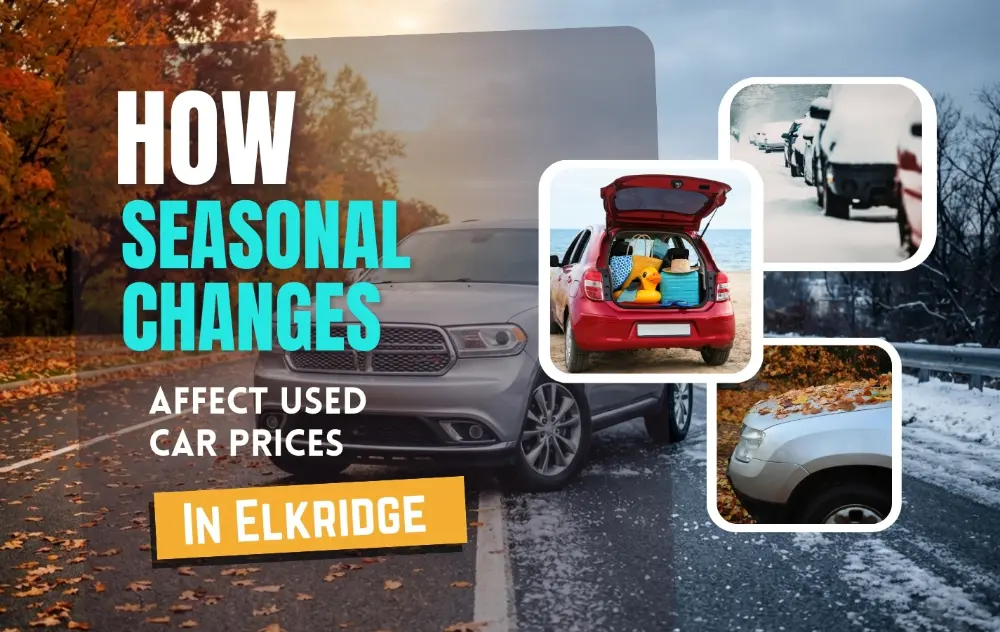
If you’ve ever wondered why the same used car can cost thousands more—or less—depending on when you shop, you’re not imagining things. Seasonal changes affect used car prices in very real, predictable ways, especially in markets like Elkridge, Columbia, Ellicott City, and the greater Washington D.C. area, where weather, commuting patterns, and buyer demand shift throughout the year, which is why it is important to know when it's time for a new car.
At Bumble Auto, we work with buyers and sellers across Maryland and the DMV every day. Over time, clear seasonal trends emerge—trends that smart shoppers and sellers can use to their advantage. Whether you’re planning to upgrade your vehicle, trade in your current car, or simply understand the market better, knowing how seasons influence pricing can save you money and help you time your decision strategically.
This guide breaks down how seasonal changes affect used car prices, why those shifts happen, and what Elkridge-area drivers should know to make informed choices year-round.
Why Seasonality Matters in the Used Car Market
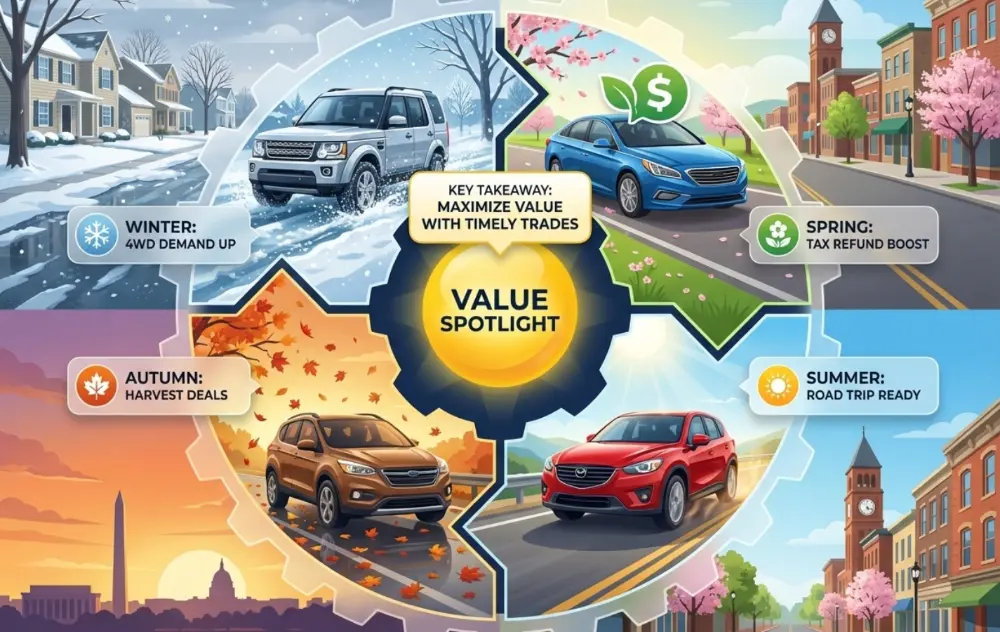
Unlike new vehicles, used cars are influenced heavily by local demand, regional weather patterns, and lifestyle shifts. In a place like Howard County and the surrounding DMV region, driving needs change significantly from winter to summer—and the market reacts accordingly.
Key factors driving seasonal price changes include:
- Weather conditions
- Fuel prices
- Tax refund cycles
- School and work schedules
- Inventory turnover at dealerships
- Consumer buying psychology
Understanding these patterns allows buyers to shop at the right time and sellers to list vehicles when demand is strongest.
The Elkridge & DMV Used Car Market: A Unique Landscape
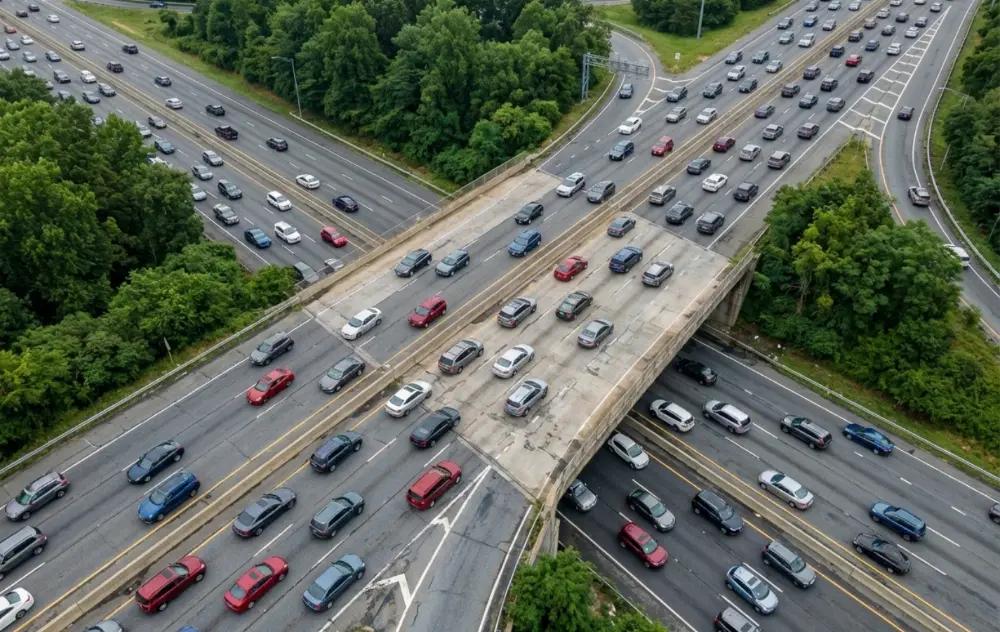
Elkridge sits at the crossroads of several major commuter routes connecting Columbia, Ellicott City, Baltimore, and Washington D.C. This creates a used car market shaped by:
This creates a used car market—where buying a car from a local dealership can be advantageous, shaped by:
- Long daily commutes
- Multi-vehicle households
- Seasonal traffic fluctuations
- Federal and government employment cycles
Because of this, price changes here often follow both national trends and local commuting behaviors.
Winter: Lower Demand, Strategic Opportunities
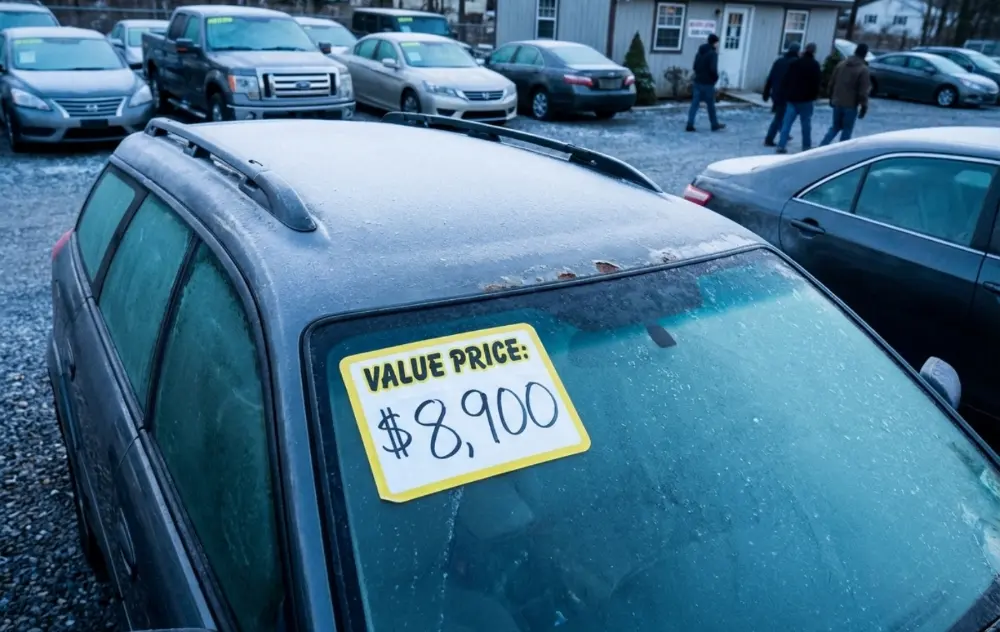
How Winter Affects Used Car Prices
Winter is traditionally one of the slowest seasons for used car sales. Cold weather, shorter days, and holiday spending fatigue often keep buyers off dealership lots.
In Elkridge and nearby areas, winter conditions can also include:
- Snow and icy roads
- Reduced test-driving enthusiasm
- Higher focus on essential expenses
As a result, used car prices often soften during late December through February.
Best Vehicles to Buy in Winter
- Sedans
- Compact cars
- Older inventory models
- Vehicles with higher fuel efficiency
At Bumble Auto, winter is often when motivated buyers find better negotiating leverage—especially on vehicles that have been on the lot for a while.
Spring: Rising Demand and Price Increases
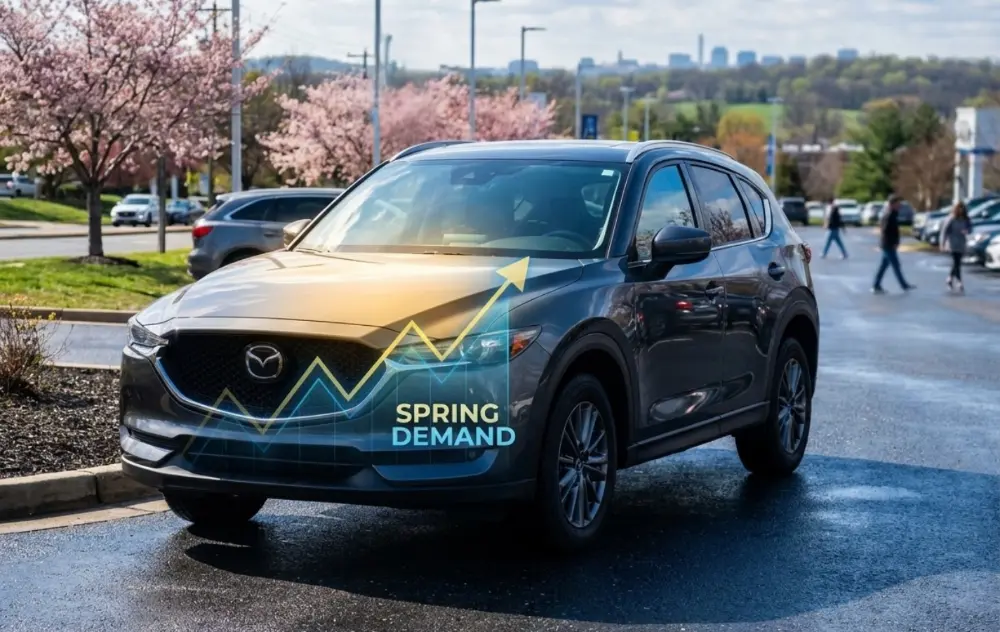
Spring marks a major shift in the used car market.
Why Prices Rise in Spring
- Tax refunds increase buying power
- Better weather encourages shopping
- Families plan for upcoming travel
- Students and new graduates enter the market
In Elkridge, Columbia, and Ellicott City, spring demand often spikes for:
- Reliable commuter vehicles
- First-time buyer cars
- Family-friendly sedans and SUVs
As demand rises, so do prices—especially on well-maintained, fuel-efficient models.
Summer: Peak Demand, Especially for SUVs & Family Cars

Summer Is a Seller’s Market
Summer is one of the strongest seasons for used car pricing, particularly in the DMV area.
Reasons include:
- Road trips and vacations
- Family schedule flexibility
- Relocations and job changes
- College students purchasing vehicles
Vehicles That Command Higher Prices in Summer
- SUVs and crossovers
- Minivans
- AWD vehicles
- Reliable used cars with low mileage
In Elkridge, where many families commute and travel between Maryland and D.C., summer pricing reflects convenience and urgency.
Fall: A Market Correction Period
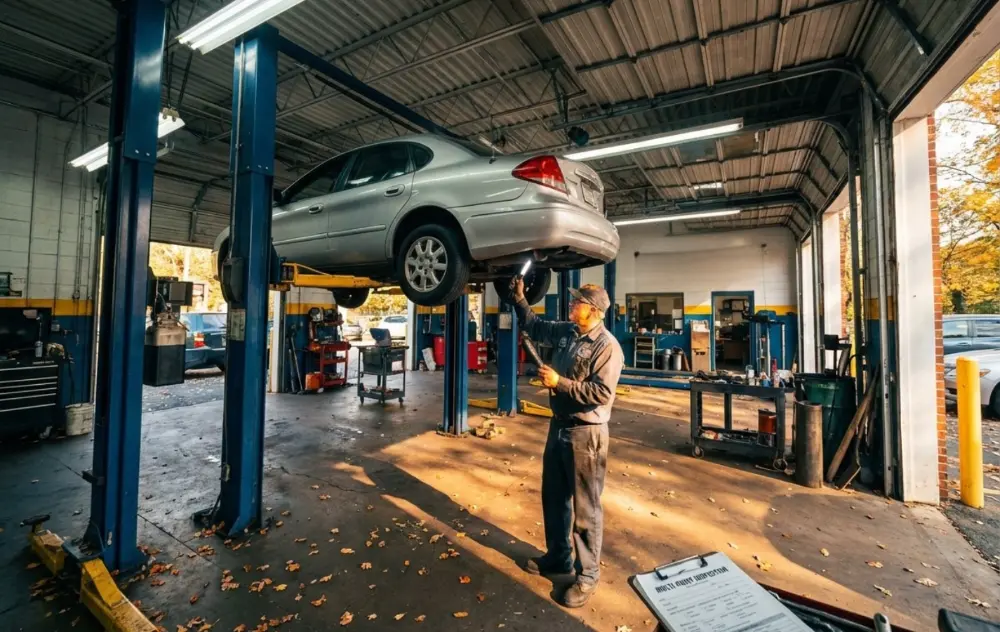
Fall brings balance back to the market.
Why Fall Prices Stabilize
- Fewer impulse buyers
- Back-to-school expenses limit budgets
- Dealers prepare for year-end inventory
This makes fall an excellent time for strategic buyers looking for value without winter’s limitations.
At Bumble Auto, fall often offers:
- Strong inventory variety in Elkridge and nearby
- Reasonable pricing
- More relaxed purchasing timelines
How Weather Specifically Impacts Vehicle Demand
Maryland Weather & Vehicle Preferences
Seasonal weather plays a huge role in shaping used car prices, as supply chain issues can affect the used car market:
- Winter: AWD, SUVs, and trucks gain attention
- Spring/Summer: Fuel-efficient cars rise in demand
- Fall: Balanced interest across categories
However, price increases don’t always align perfectly with demand—which is where informed buyers can find opportunities.
Seasonal Mileage Patterns & Their Pricing Impact
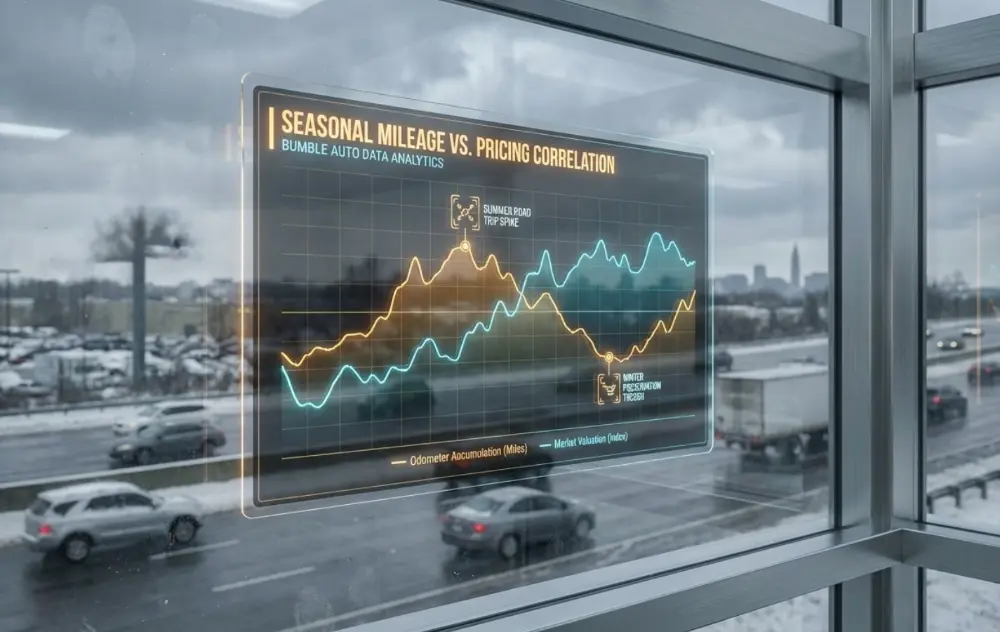
Another overlooked factor is mileage accumulation.
- Summer driving increases mileage faster
- Winter driving tends to slow mileage growth
Vehicles with lower annual mileage may command higher prices in late winter and early spring—before summer driving inflates odometer readings.
How Seasonal Trade-Ins Affect Inventory
Seasonal trade-in behavior impacts pricing indirectly.
When Trade-Ins Increase
- Late spring
- End of summer
- Year-end holidays
When inventory increases, pricing pressure can ease. Bumble Auto uses this timing to help buyers access more options without inflated costs.
Gas Prices and Seasonal Vehicle Shifts
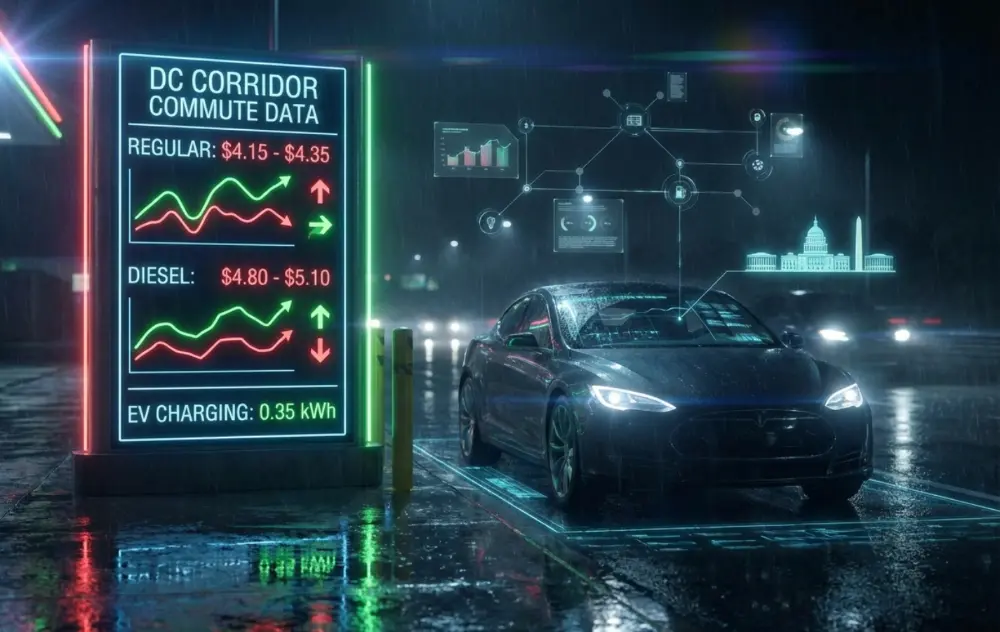
Fuel costs fluctuate seasonally, and buyers react quickly.
- Rising gas prices boost demand for hybrids and compact cars
- Lower gas prices revive interest in SUVs and trucks
In the Elkridge and D.C. commuting corridor, fuel efficiency plays a significant role in used car pricing trends.
Tax Season’s Hidden Impact on Used Car Prices
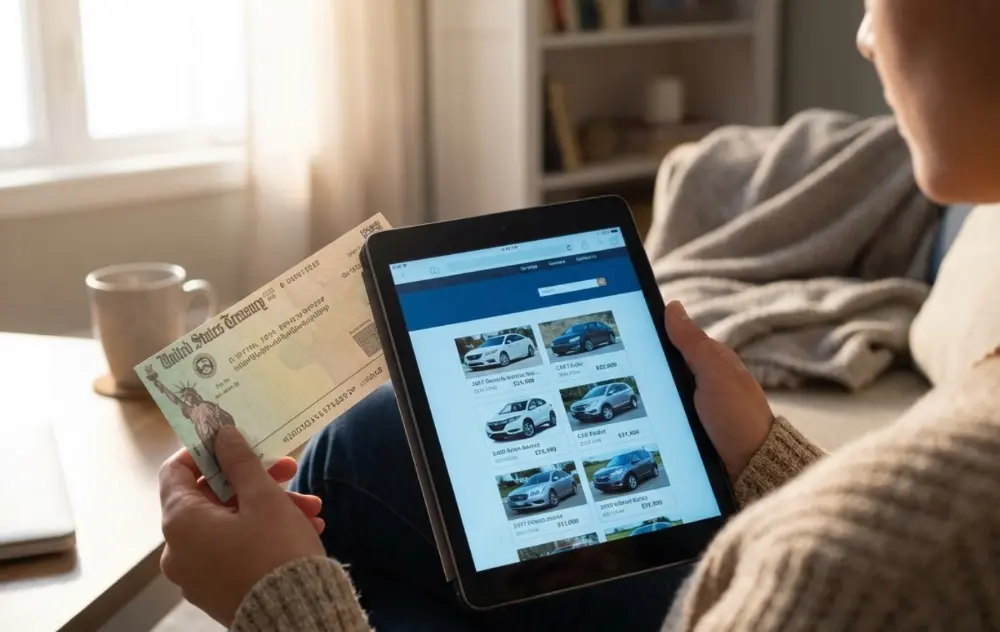
Tax refund season (February–April) injects billions into the car market nationwide.
Local effects include:
- Faster vehicle turnover
- Less room for negotiation
- Higher demand for dependable used cars
Buyers with financing pre-approval often fare best during this competitive window.
How Dealership Cycles Affect Seasonal Pricing
Used car dealerships don’t operate in a vacuum, and learning how to negotiate with a car dealership is a key skill to have.
Inventory Timing Matters
- End of quarters
- End of year
- Before major seasonal shifts
At Bumble Auto, inventory planning considers seasonal trends to ensure buyers have options regardless of timing.
Seasonal Financing Considerations
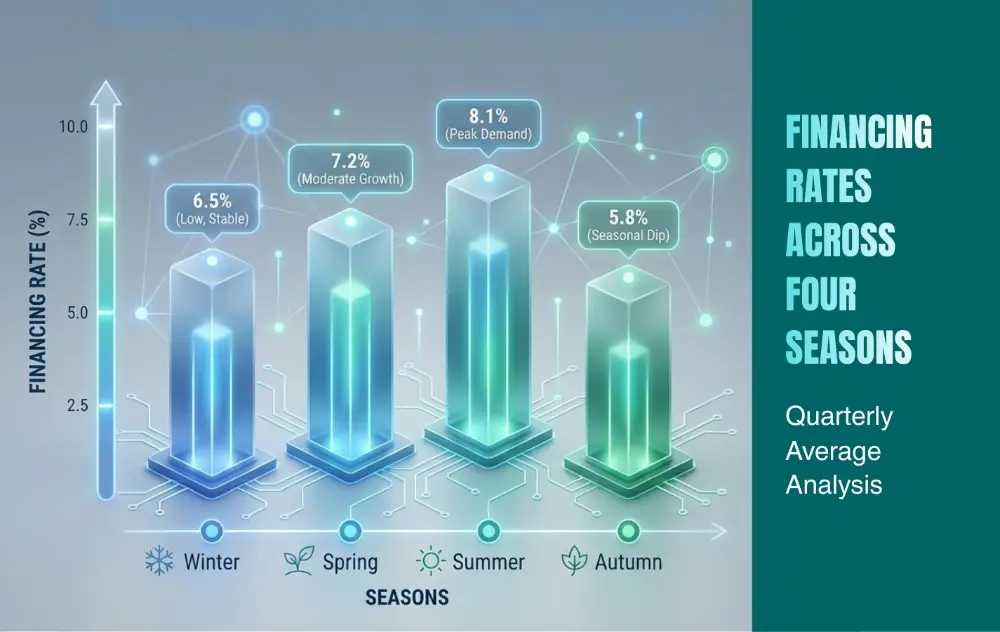
Interest rates and financing incentives may fluctuate seasonally.
- Year-end promotions
- Slower winter lending competition
- Spring and summer financing demand surges
Understanding financing seasonality can be just as important as vehicle pricing.
The DMV Commuter Effect on Used Car Demand
Few regions are as commuter-driven as the DMV.
In Elkridge alone, many residents:
- Commute to D.C. or Baltimore
- Drive long distances weekly
- Prioritize reliability over luxury
This creates consistent demand for dependable used vehicles, even during slower seasons—softening price drops compared to other regions.
Best Times to Buy Used Cars in Elkridge
Based on long-term trends:
Best value periods:
- Late December to February
- Early fall
Most competitive periods:
- March through August
Knowing this allows buyers to plan ahead rather than shop reactively.
Best Times to Sell or Trade In a Used Car
For sellers, timing matters just as much.
Best seasons to sell your car for the best price:
- Late spring
- Summer
Demand-driven pricing often results in higher trade-in values during these months.
Seasonal Maintenance Costs & Buyer Psychology
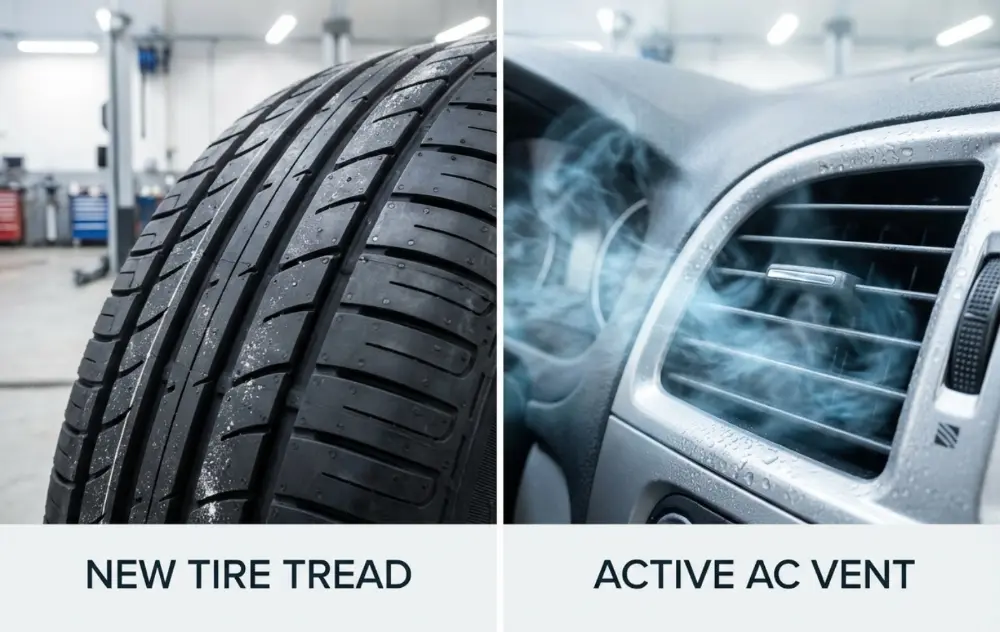
Buyers factor upcoming maintenance into decisions.
- Winter buyers worry about tires and heating
- Summer buyers think about A/C and road readiness
Vehicles that are recently serviced often perform better price-wise during transitional seasons.
How Bumble Auto Helps Buyers Navigate Seasonal Pricing
At Bumble Auto, seasonal pricing isn’t guesswork—it’s part of daily operations.
We help customers by:
- Explaining market timing clearly
- Offering fair pricing year-round
- Helping buyers evaluate seasonal trade-offs
- Supporting informed decisions, not pressure sales
Whether you’re buying in peak season or value season, transparency matters.
Seasonal Changes Affect Used Car Prices—But Knowledge Levels the Field
While seasonal changes affect used car prices, they don’t have to control your outcome.
Smart buyers focus on:
- Total cost of ownership
- Vehicle condition
- Financing structure
- Long-term needs
Price is only one piece of the equation.
Elkridge vs. Washington D.C.: Seasonal Differences
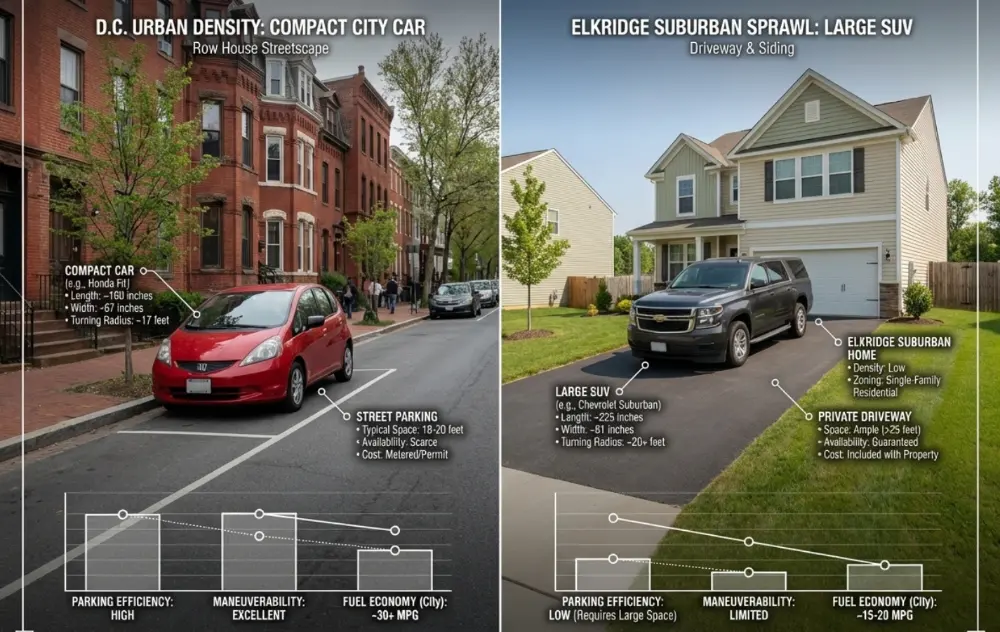
Urban D.C. buyers often drive:
- Less frequently
- Shorter distances
- Smaller vehicles
Elkridge and suburban Maryland buyers prioritize:
- Reliability
- Cargo space
- Commuter comfort
These differences create subtle pricing variations across seasons.
Why Local Market Knowledge Matters
National pricing guides don’t always reflect local realities.
Seasonal demand in Elkridge differs from:
- Rural Maryland
- Downtown D.C.
- Coastal markets
That’s why working with a dealership familiar with the DMV region makes a measurable difference.
Long-Term Trends vs. Seasonal Fluctuations
Seasonality impacts short-term pricing—but long-term trends still matter.
These include:
- Vehicle reliability history
- Brand reputation
- Maintenance costs
- Market supply
Seasonal savings mean little if the vehicle doesn’t meet your long-term needs.
Final Thoughts: Timing Is Powerful—But Preparation Is Better
Understanding how seasonal changes affect used car prices gives buyers and sellers a valuable edge—especially in competitive areas like Elkridge, Columbia, Ellicott City, and Washington D.C.
At Bumble Auto, we believe informed decisions lead to better outcomes. Whether you’re buying in winter for value or selling in summer for demand, the right timing paired with expert guidance makes all the difference, so make sure you extend the life of your used car.
Seasonal shifts will always exist—but with the right knowledge, they can work for you, not against you.